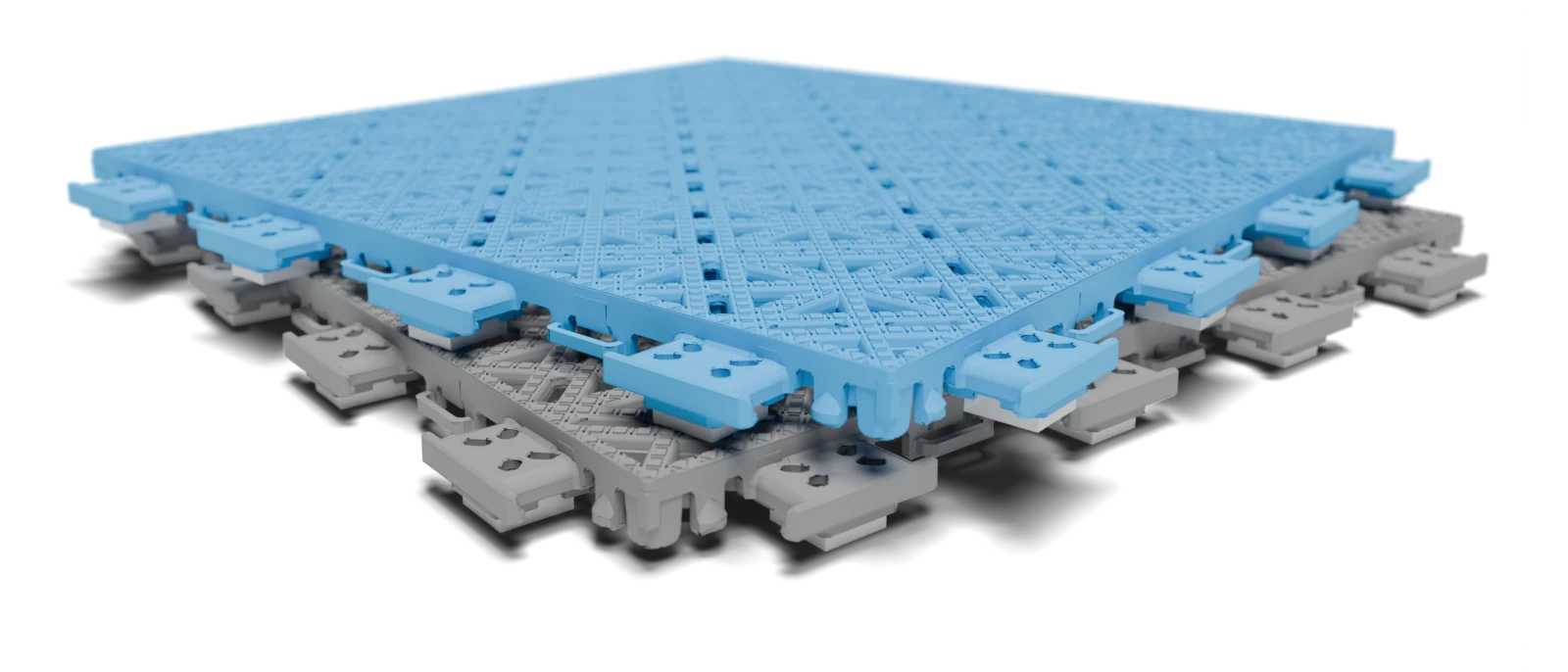
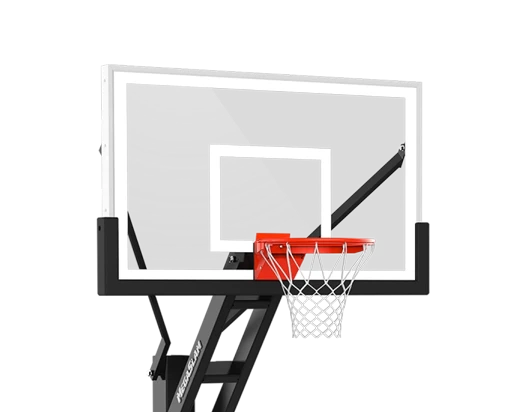
Understanding the Differences That Actually Matter
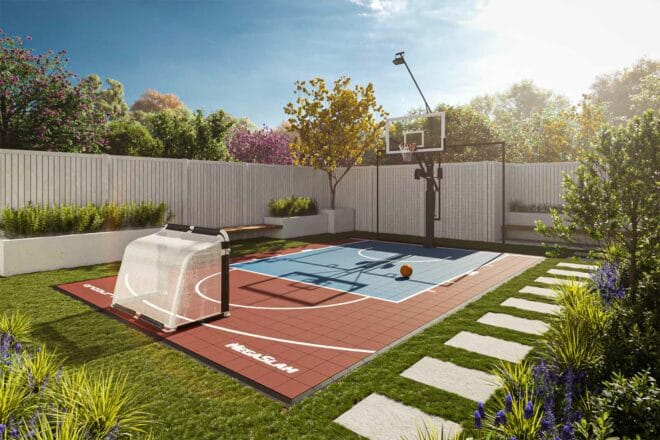
The distinction between indoor and outdoor basketball court flooring goes far beyond where the court is located. Each environment places fundamentally different demands on the surface and misunderstanding those demands is one of the most common causes of poor performance, premature wear, and long-term dissatisfaction.
This guide explains the practical, real-world differences so you can make the right decision for your space.
Why Environment Dictates Everything
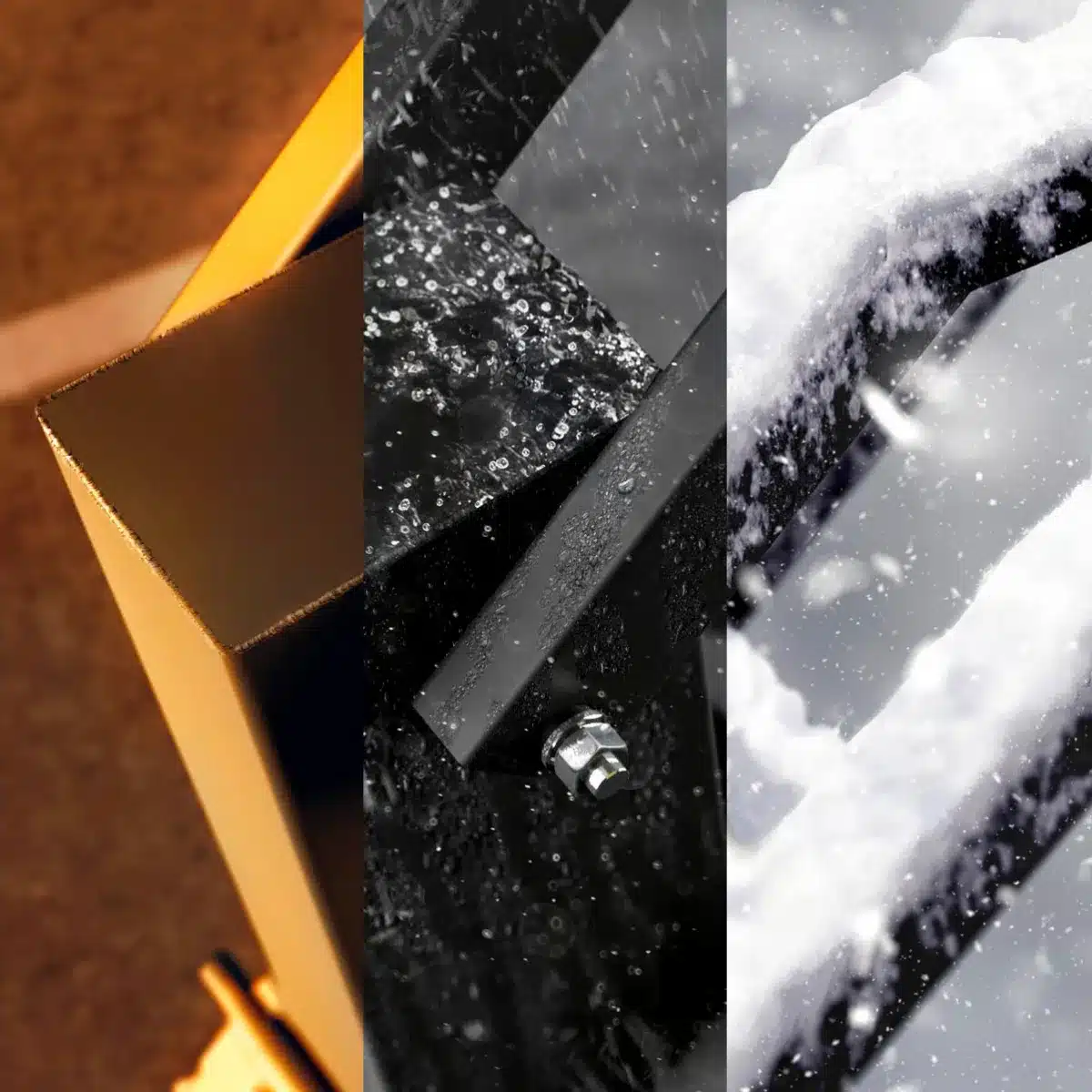
Basketball flooring does not exist in isolation. Temperature, moisture, sunlight, and air movement all influence how a surface behaves over time.
Indoor courts operate in controlled conditions. Outdoor courts do not.
This single difference shapes every design choice that follows, from materials and construction to installation methods and maintenance expectations. When flooring designed for one environment is placed in the other, problems are inevitable.
Indoor Basketball Court Flooring: Optimised for Play Feel
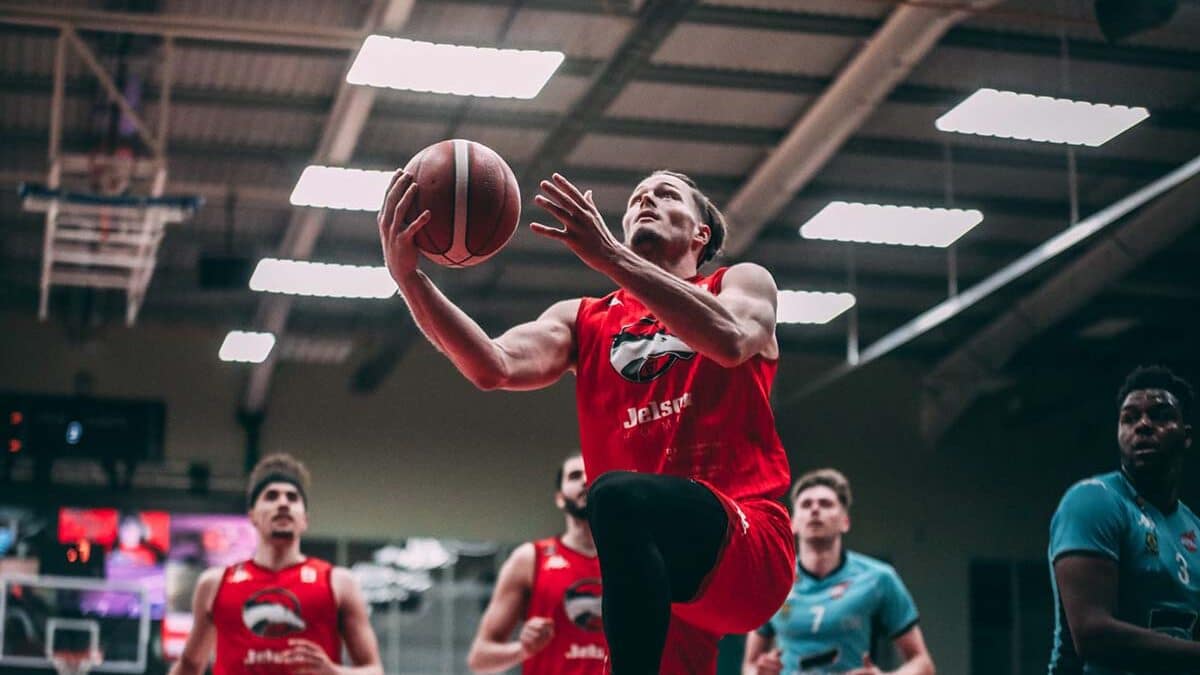
Indoor basketball flooring is built to deliver a specific playing experience. Ball response, foot grip, and player comfort are prioritised because the environment allows for it.
The absence of UV exposure, rain, and temperature swings means indoor surfaces can be softer, more elastic, and more precise. These floors are often chosen for competition venues, training facilities, and dedicated indoor courts where consistency matters above all else.
That said, indoor flooring assumes protection. Once moisture, condensation, or thermal movement enters the equation, performance can degrade quickly.
Outdoor Basketball Court Flooring: Built to Withstand Exposure
Outdoor basketball flooring faces challenges that indoor systems never encounter.
Sunlight breaks down materials. Heat causes expansion. Cold creates contraction. Water introduces slip risk and structural stress.
As a result, outdoor flooring must prioritise:
- Dimensional stability
- Surface drainage
- UV resistance
- Long-term durability
This does not mean outdoor courts must sacrifice performance — but performance must be engineered within environmental limits, not in spite of them.
The Problem With “Semi-Indoor” Courts
Many basketball courts sit in a grey area: covered patios, carports, barns, partially enclosed structures. These spaces feel indoor, but they behave like outdoor environments.
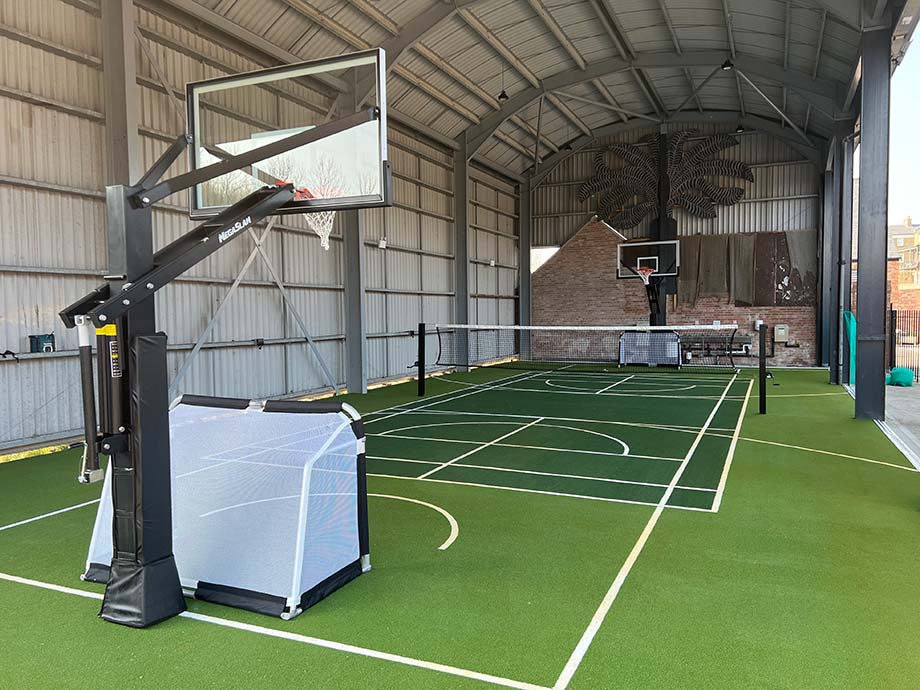
Moisture still enters. Temperatures still fluctuate. Air still circulates.
The most common mistake is installing indoor flooring in these spaces, assuming the roof provides enough protection. In practice, it rarely does.
If a space is not fully sealed and climate controlled year-round, it should be treated as outdoor when selecting basketball court flooring.
Performance Expectations: Indoor vs Outdoor Reality
Indoor courts allow performance to be tuned very precisely. Outdoor courts demand compromise.
Indoor players often expect:
- Fast, consistent ball rebound
- Softer landings
- Minimal vibration
Outdoor players benefit more from:
- Reliable traction in changing conditions
- Predictable ball response
- Stable footing over time
The goal outdoors is not to replicate an indoor court — it is to deliver consistent, safe play across seasons.
Installation Differences That Are Easy to Overlook
Indoor and outdoor installations differ as much below the surface as above it.
Indoor floors are typically installed over prepared subfloors designed to remain dry and stable. Outdoor courts rely heavily on the quality of the base beneath them, particularly drainage and flatness.
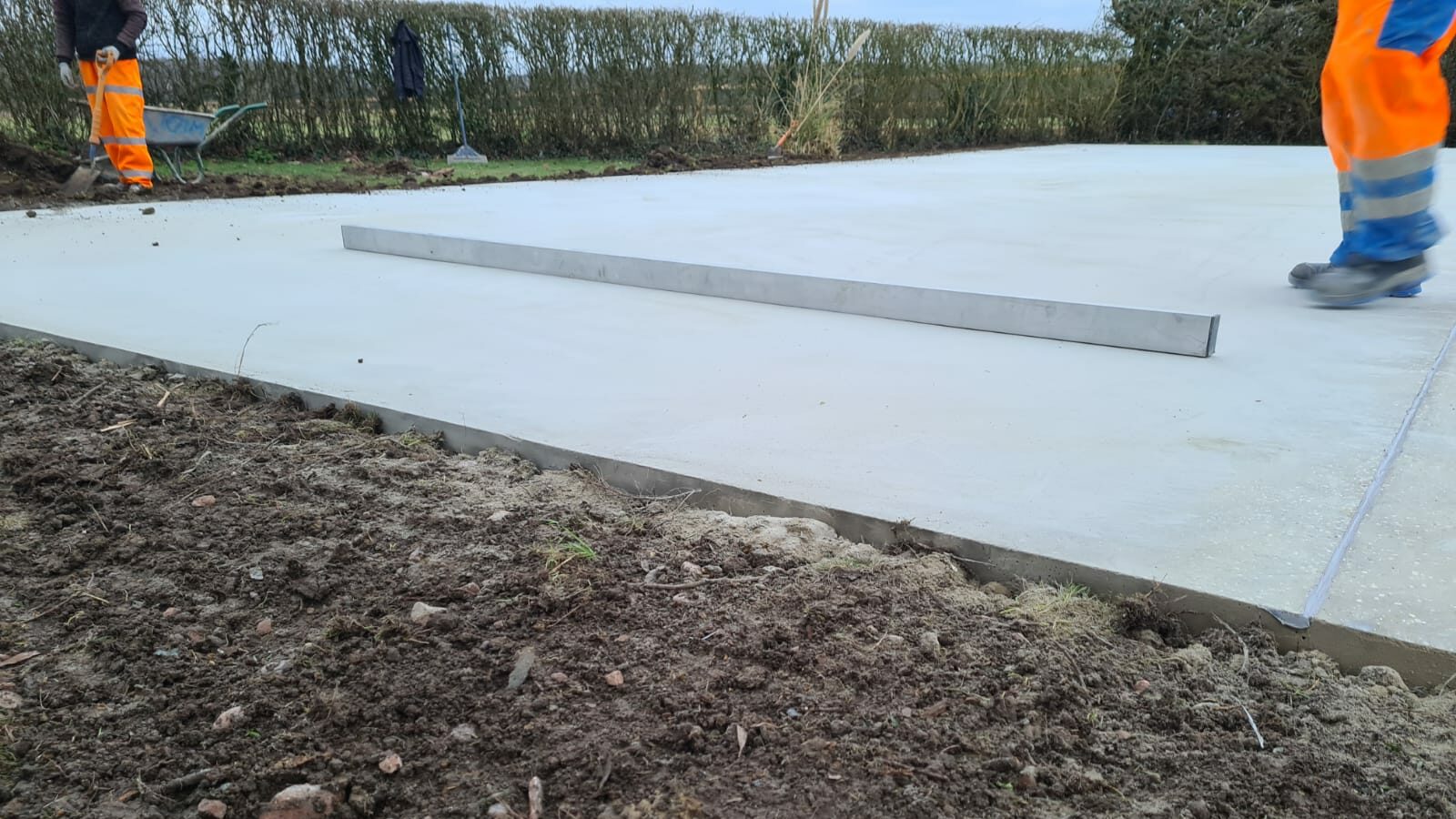
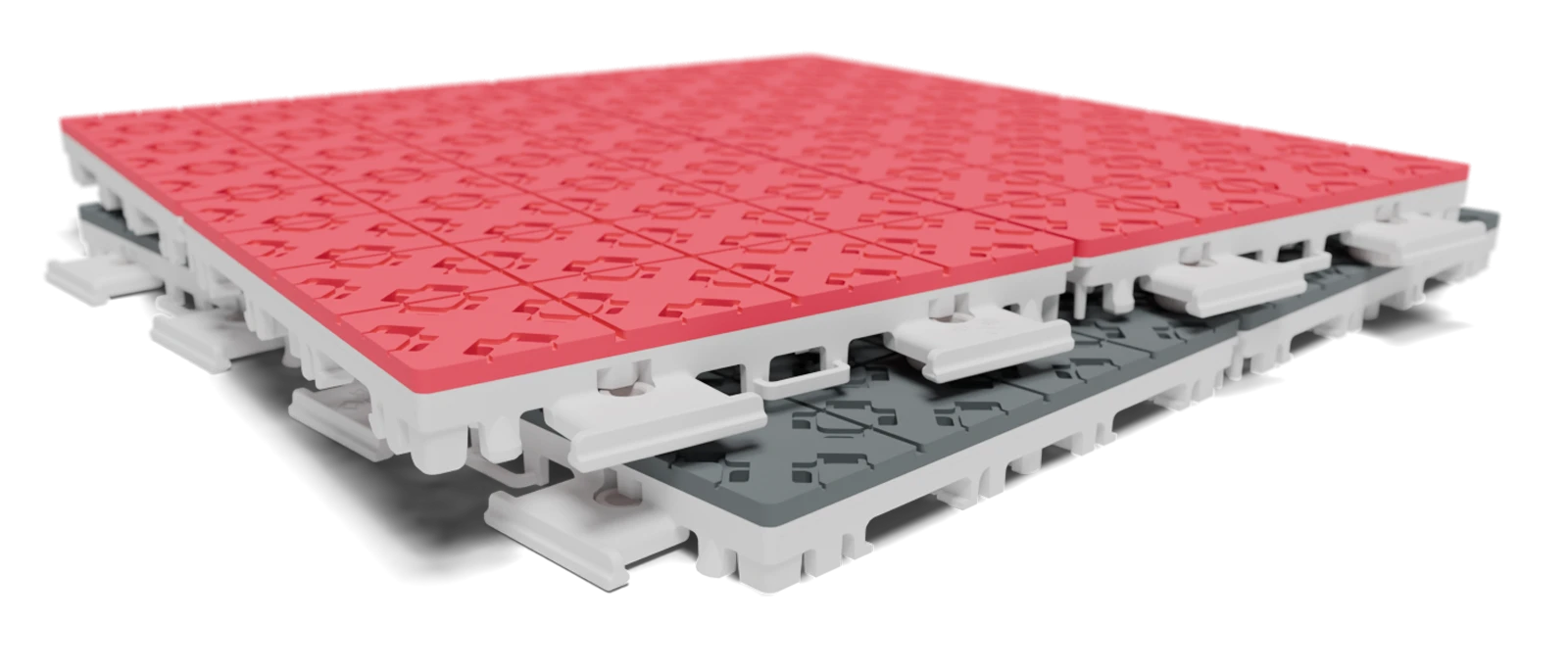
Outdoor basketball court flooring must accommodate movement rather than resist it. Systems that allow controlled expansion and contraction generally outperform rigid solutions in exposed environments.
Maintenance Expectations Over Time
Indoor courts usually require controlled cleaning and occasional refinishing. Outdoor courts face dirt, debris, algae, and weathering. This doesn’t mean outdoor courts demand constant attention, but the type of maintenance differs.
A surface that tolerates neglect outdoors often outperforms a higher-maintenance system that looks better on day one but degrades quickly.
Choosing the Right Direction
The question is not whether indoor or outdoor basketball court flooring is “better.”
The question is whether the flooring:
- Matches the environment
- Meets realistic performance expectations
- Will still perform acceptably years from now
When those conditions are met, the right choice becomes obvious.

 English (UK)
  Български
  Čeština
  Dansk
Dansk  Deutsch
  Nederlands
  Español
  Eesti
Eesti  Français
  Ελληνικά
  Hrvatski
  Magyar
  Italiano
  Latviešu valoda
  Lietuvių kalba
  Norsk bokmål
  Português
  Polski
  Română
  Српски језик
  Slovenčina
  Slovenščina
  Suomi
Suomi  Svenska
  Türkçe
  العربية
  Bosanski
  Українська