Temelj dolgotrajnega košarkarskega igrišča
Košarkarsko igrišče je le toliko dobro, kolikor dobra je podlaga pod njim. Že dolgo preden se plošče povežejo ali se namesti koš, podlaga določa, kako bo igrišče delovalo, kako dolgo bo trajalo in ali se bodo težave pojavile po mesecih ali letih.
Ta vodnik se osredotoča izključno na gradnjo podlage za košarkarsko igrišče. Ne zajema namestitve površine ali montaže koša — ti koraki sledijo kasneje. Pravilno izvedena osnova omogoča, da vse ostalo deluje pravilno.
Kaj je podlaga košarkarskega igrišča?
Podlaga je inženirsko zasnovana osnova, ki podpira igralno površino. Njena naloga je na videz preprosta: ostati ravna, stabilna in upravljati vodo. V praksi to pomeni prenašanje obremenitev igralcev, upiranje premikom tal in preprečevanje poškodb zgornjega igrišča zaradi vlage.
Pri košarkarskih igriščih, zlasti tistih z modularno talno oblogo, mora biti podlaga bolj ravna in natančna kot pri običajni terasi, dovozni poti ali vrtni plošči. Manjša odstopanja, ki bi bila drugje sprejemljiva, lahko na igrišču povzročijo težave.
Izbira prave vrste podlage
Večina košarkarskih igrišč je zgrajenih na betonu ali asfaltu, pri čemer je beton v večini primerov prednostna rešitev. Zagotavlja stabilno in predvidljivo podlago, ki podpira enakomeren odboj žoge in dolgoročno zmogljivost površine.
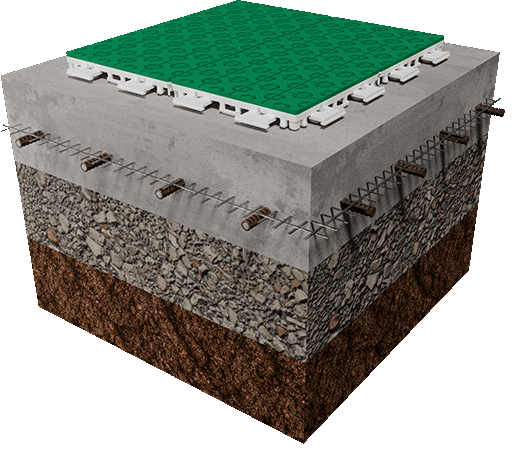
Za košarkarska igrišča mora armirana betonska plošča običajno izpolnjevati naslednja merila:
- Minimalna debelina 100–150 mm
- Ojačitev z jekleno mrežo ali armaturnimi palicami
- Lasersko poravnana zaključna obdelava
- Blag naklon za zunanjo drenažo
Asfaltne podlage so lahko primerne v določenih primerih, vendar zahtevajo strožjo pripravo in so bolj nagnjene k dolgoročnim premikom.
Zahteve glede ravnosti in toleranc
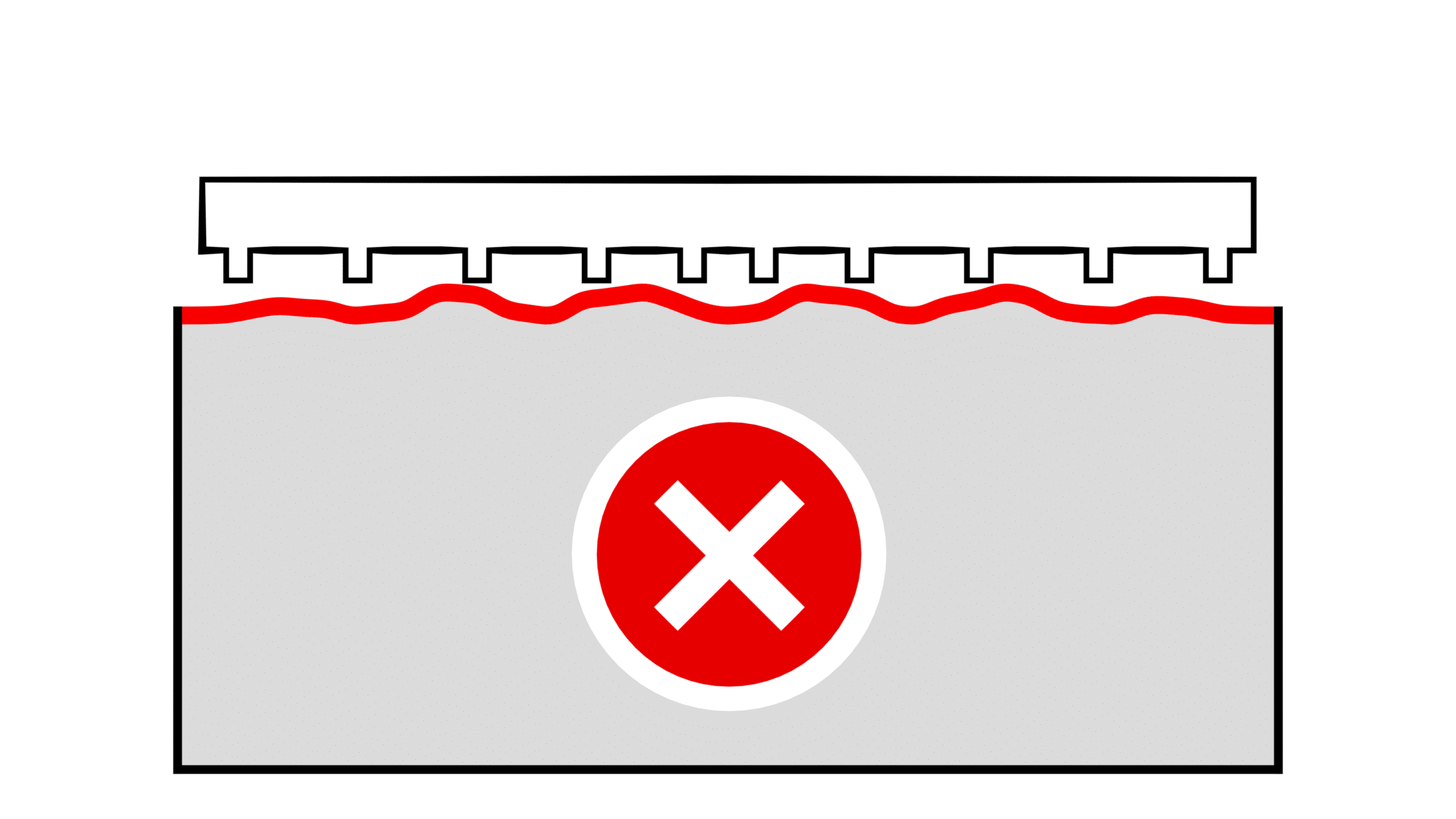
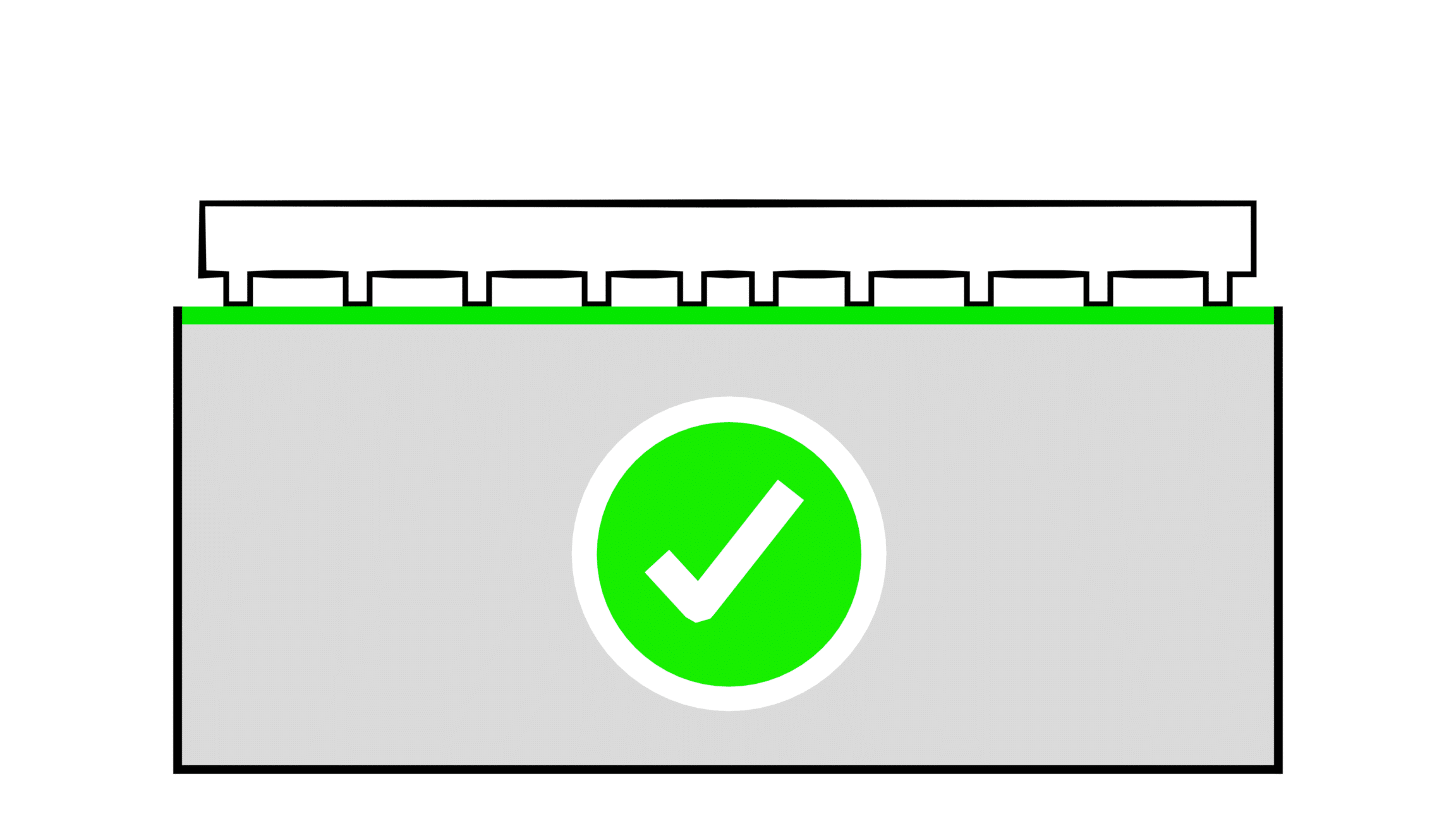
Površina košarkarskega igrišča ne odpušča neenakomernih temeljev. Za razliko od tlakovanja ali splošnih utrjenih površin igralna površina poudari nepravilnosti, namesto da bi jih skrila. Tudi manjša odstopanja v podlagi lahko vplivajo na odboj žoge, povzročijo neudobno oporo in otežijo namestitev površine.
Zato košarkarska igrišča zahtevajo višji standard ravnosti kot večina zunanjih betonskih plošč. Cilj ni vizualna popolnost, temveč enakomerna zmogljivost po celotni igralni površini. Kot praktično vodilo mora podlaga košarkarskega igrišča izpolnjevati naslednja tolerančna merila:
- Odstopanje največ 3–5 mm na 3 metre
- Brez nenadnih sprememb višine ali robov
- Brez zastajanja vode po dežju (za zunanja igrišča)
Upoštevanje teh toleranc v fazi podlage preprečuje težave, ki jih je po namestitvi površine težko ali nemogoče odpraviti.
Drenaža in priprava tal
Pri zunanjih igriščih je drenaža enako pomembna kot ravnost. Voda, ki ne more odtekati, bo sčasoma povzročila premike, razpoke ali poškodbe zaradi zmrzali.
Dobra priprava tal običajno vključuje utrjen sloj drobljenega kamna ali gramoza pod ploščo, skupaj z blagim naklonom, ki usmerja vodo stran od igralne površine. Cilj ni ustvariti vidnega naklona, temveč preprečiti zastajanje vode kjer koli na površini.
Ignoriranje drenaže redko povzroči takojšnjo okvaro — vendar kasneje vodi do počasnih in dragih težav.
Preverjanje pripravljenosti podlage
Preden nadaljujete z namestitvijo površine košarkarskega igrišča, se ustavite in preverite naslednje. Če lahko z zaupanjem označite vsako točko, je podlaga pripravljena.
Váš podklad by mal byť:
- Konstrukcijsko stabilna, popolnoma utrjena in brez razpok
- Ravna znotraj toleranc košarkarskega igrišča (brez vidnih vdolbin ali robov)
- Suha, čista in brez ostankov
- Pravilno odvajana, brez zastajanja vode po dežju
- Zgrajena s pravilnimi dimenzijami in orientacijo za razpored igrišča
Če je katera od teh točk negotova, jo rešite pred namestitvijo površine. Odpravljanje težav na tej stopnji je enostavno. Kasneje ni.
OnCourt zagotavlja tehnične risbe in smernice toleranc za izvajalce, ki gradijo podlage za igrišča.
Pogoste napake, ki se jim je treba izogniti
Večina težav s podlago izhaja iz bližnjic, ne iz slabih namenov. Uporaba toleranc za terase, izpuščanje armature, betoniranje brez natančnega nadzora nivoja ali prehitevanje procesa utrjevanja so napake, ki igrišče ogrozijo še pred dokončanjem.
- Uporaba neustreznih toleranc
- Brez armature
- Betoniranje brez nadzora nivoja
- Namestitev pred popolnim utrjevanjem
Ključno načelo je preprosto: odpravljanje težav s podlago po namestitvi je veliko težje kot pravilna gradnja že na začetku.
Kdaj je podlaga pripravljena?
Pred nadaljevanjem z namestitvijo površine mora biti podlaga popolnoma utrjena, čista in konstrukcijsko stabilna. Izpolnjevati mora tolerance ravnosti in ne sme kazati znakov razpok, premikanja ali mehkih mest.
Ko so ti pogoji izpolnjeni, postane namestitev površine igrišča in koša preprosta.
Kdo naj izdela podlago?
Čeprav je mogoče številne površine košarkarskih igrišč namestiti samostojno, je gradnjo podlage najbolje prepustiti izkušenim strokovnjakom za zemeljska dela. Ta faza zahteva ustrezno opremo, poznavanje lokalnih talnih razmer in razumevanje toleranc, ki presegajo splošna krajinska dela.
OnCourt zagotavlja tehnične risbe in specifikacije, da lahko lokalni izvajalci pravilno zgradijo podlago brez ugibanja. Ta pristop združuje lokalno strokovno znanje z jasnimi standardi zmogljivosti.
Pogosta vprašanja o podlagi košarkarskega igrišča
Podlaga je utrjena temeljna plast pod površino igrišča. Podpira modularni sistem ploščic, absorbira obremenitve, preprečuje premikanje in zagotavlja enakomeren odskok košarkarske žoge. Brez trdne podlage se igrišče sčasoma lahko premakne, pojavijo se mrtve točke ali slabo odteka voda.
Globina izkopa je odvisna od podlage, talnih razmer in podnebja, vendar običajno znaša od 100 mm do 250 mm. Pri mehki zemlji ali hladnejšem podnebju je morda potrebno izkopati globlje, da se prepreči dvigovanje tal zaradi zmrzali in pogrezanje.
Običajna podlaga za podlago vključuje:
– MOT tipa 1 (drobljen kamen) za utrjevanje in odvodnjavanje
– Plast utrjenega ostrega peska ali tanka slepna plast
– Po želji geotekstilna tkanina za preprečevanje rasti plevela in stabilnost
Za najboljše rezultate pri namestitvi modularnih ploščic uporabite gladko betonsko ali asfaltno podlago. Kot je opisano v tem članku, bo ravnost z odstopanjem največ 5 mm v radiju 3 m zagotovila odlično delovanje.
Podlaga mora biti ravna z odstopanjem največ 5 mm na vsakem 3-metrskem radiju. Ta toleranca je ključnega pomena za zagotovitev, da se modularne ploščice varno zaklenejo in zagotovijo varno in dosledno igralno izkušnjo.
Da. Ustrezno odvodnjavanje je bistveno za preprečevanje zbiranja vode pod modularno površino igrišča. Vključite rahlo naklon, prepustne osnovne plasti ali kanalne odtočne kanale, kot je potrebno za zunanja igrišča.
Da, če ste prepričani v svoje sposobnosti izkopavanja in utrjevanja. Mnogi ljubitelji domačega mojstrstva sami poskrbijo za podlago, vendar za večja ali bolj zapletena igrišča priporočamo sodelovanje s profesionalnim izvajalcem.
Sodelovanje z lokalnim izvajalcem zemeljskih del je običajno pametna izbira. Ti so bolje opremljeni za oceno lokalnih talnih razmer, razumejo regionalne izzive na področju odvodnjavanja in lahko učinkoviteje mobilizirajo ustrezne stroje in materiale. Strokovno pripravljena podlaga vam tudi daje mirno vest, da bo vaše igrišče v prihodnjih letih delovalo najbolje.
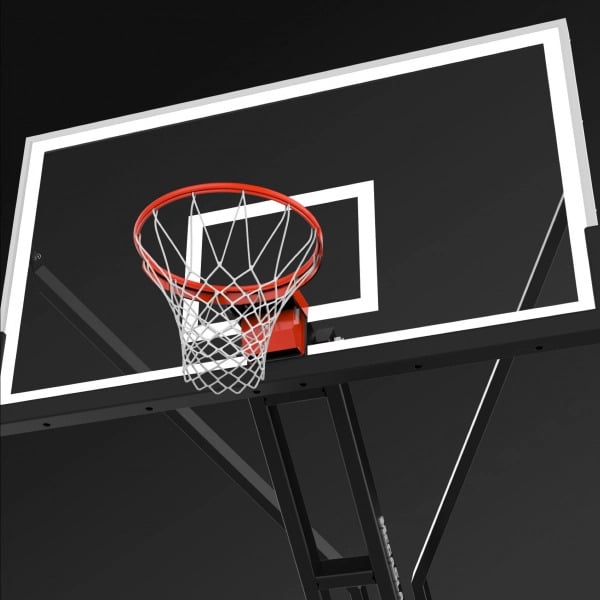
Namestitev koša Mega Slam Hoop v tla je dvofazno delo. Najprej je treba izkopati 1,25 m globoko jamo za betonsko sidro, ki bo podpiralo sistem. Naslednja faza je postavitev koša. Koši Mega Slam Hoops so težki – prav to pa jih naredi za najboljše koše za domačo rabo. To pomeni, da boste potrebovali nekaj prijateljev, ki vam bodo pomagali pri dvigovanju težkih bremen. Več informacij o Namestitev Mega Slam Hoops.
OPOMBA – Sistem obročev in pritrdilni elementi morajo biti nameščeni med gradnjo podlage. Konfigurirajte in naročite igrišče, obroče in komponente, da bodo pritrdilni elementi na voljo med gradnjo podlage.
Naslednji koraki
Ko je podlaga dokončana, ste pripravljeni preiti z zemeljskih del na sestavo igrišča.

 English (UK)
  Български
  Čeština
  Dansk
Dansk  Deutsch
  Nederlands
  Español
  Eesti
Eesti  Français
  Ελληνικά
  Hrvatski
  Magyar
  Italiano
  Latviešu valoda
  Lietuvių kalba
  Norsk bokmål
  Português
  Polski
  Română
  Српски језик
  Slovenčina
  Slovenščina
  Suomi
Suomi  Svenska
  Türkçe
  العربية
  Bosanski
  Українська