
A basketball hoop is the focal point of any home court. Choosing the right one has a direct impact on play quality, safety, longevity and how the court feels day to day.
This guide breaks down the key factors to consider when selecting a hoop for a home basketball court — from installation type and backboard size to height adjustment and court compatibility. Whether you’re building a compact practice court or a more expansive home setup, the right hoop choice ensures your court performs as intended for years to come.
Fixed, In-Ground or Portable Hoops?
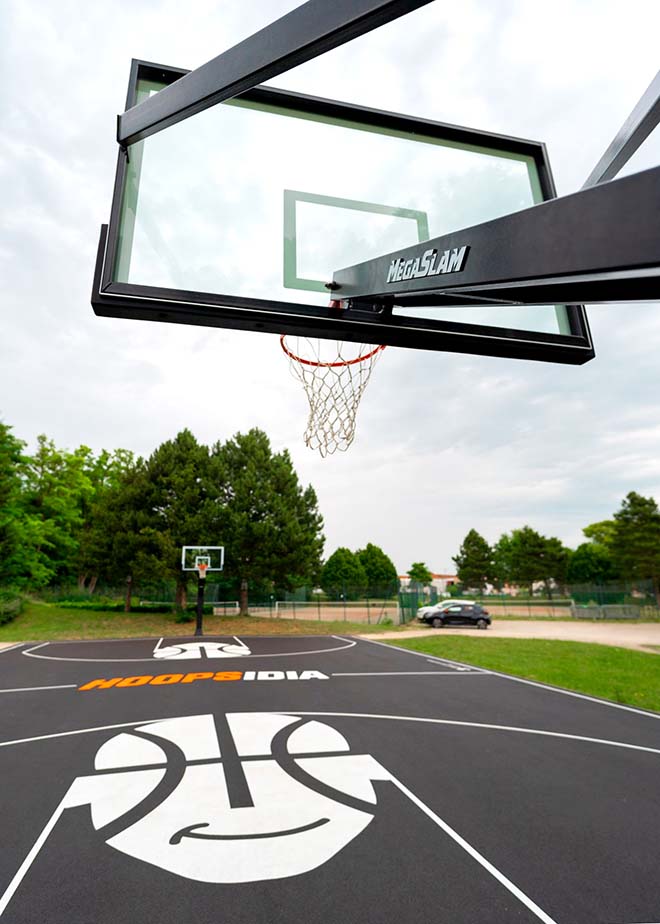
For serious home courts, in-ground hoops are the clear standard. In-ground systems are permanently anchored into concrete, providing:
superior stability
consistent rebound response
minimal vibration during play
long-term durability
Portable hoops can work for temporary or space-restricted situations, but they compromise stability and playing feel. For homeowners investing in a purpose-built court, an in-ground hoop delivers a significantly better experience and aligns with professional standards.
Backboard Size & Material
Backboard choice affects both performance and visual balance.
Tempered Glass vs Acrylic
Tempered glass backboards offer:
true rebound response
professional feel
long-term clarity
improved durability
Acrylic backboards are lighter and more affordable, but they flex more and deliver a noticeably different ball response. For home courts where quality matters, tempered glass is the preferred option.
Backboard Size
Tempered glass backboards offer:
more forgiving rebound angles
better visual proportion on medium and large courts
a closer match to club and professional setups
Smaller backboards can suit compact courts, but scale matters — the hoop should feel proportional to the court, not oversized or underspecified.
Height Adjustment: Planning for Long-Term Use
For families and shared-use courts, smooth height adjustment is essential.
A good adjustment system allows:
younger players to develop proper shooting form
adults to play at regulation height
easy changes without tools or excessive force
This flexibility extends the usable life of the court and ensures it remains enjoyable as players grow and skill levels change.
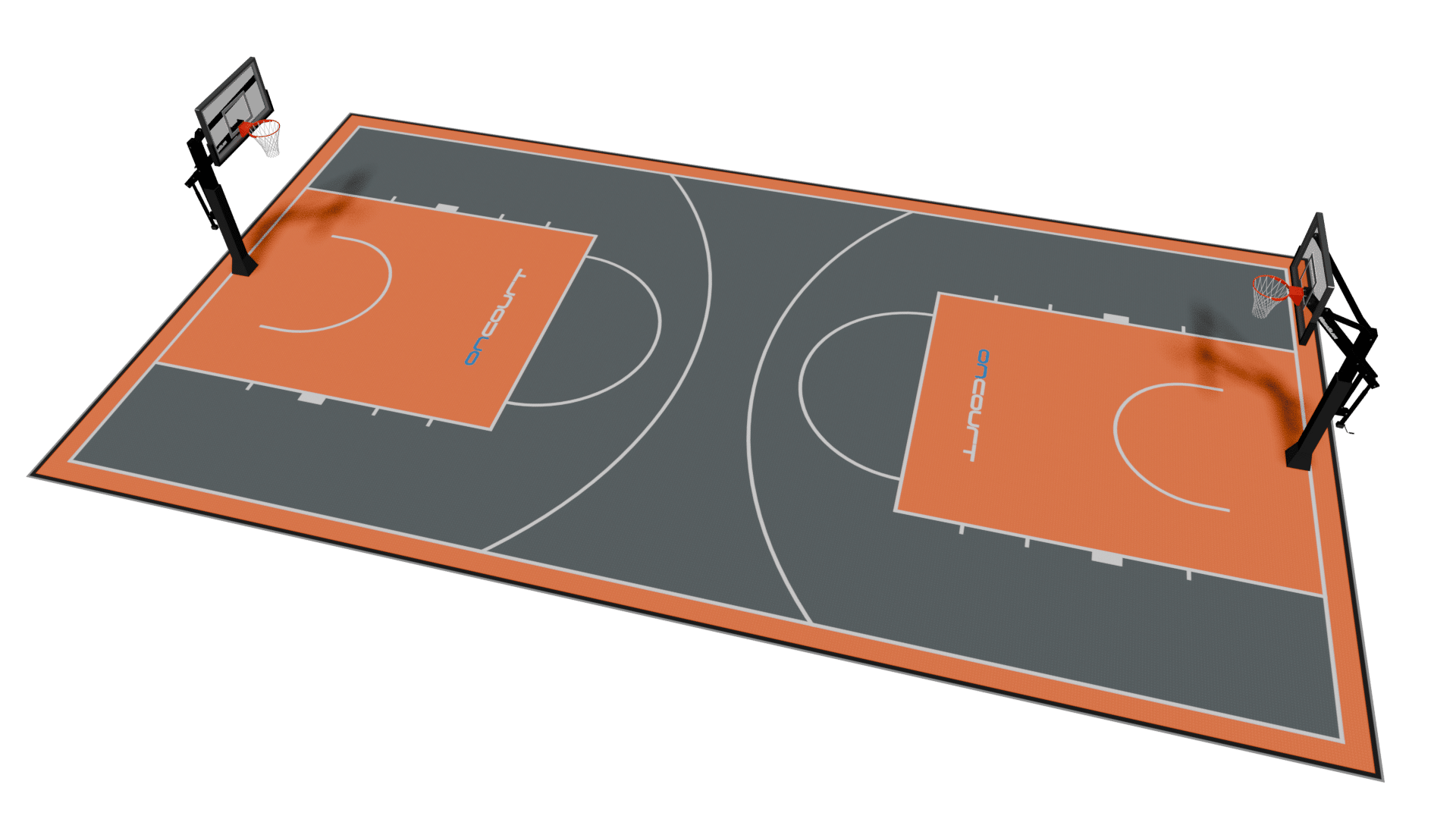
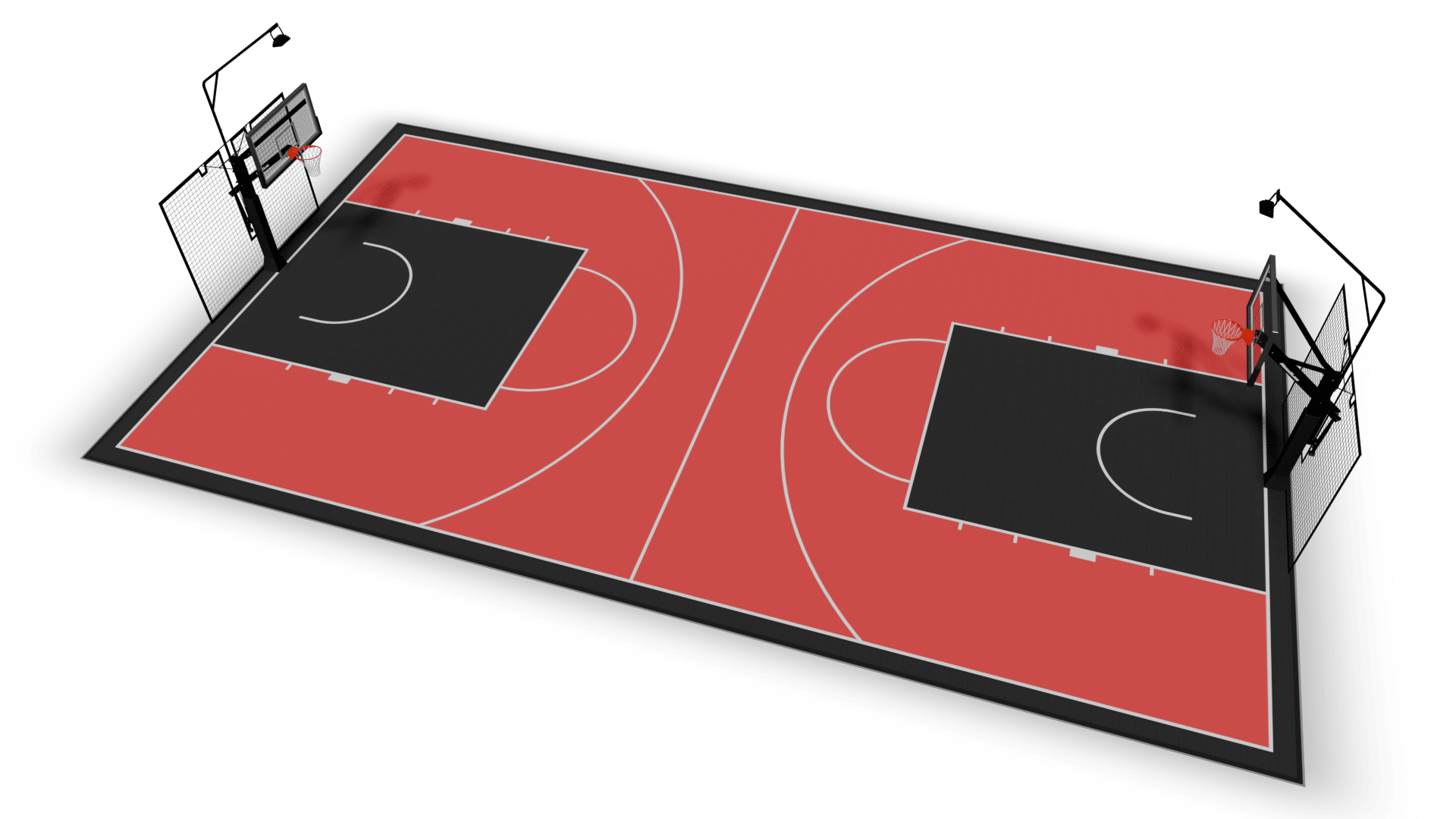
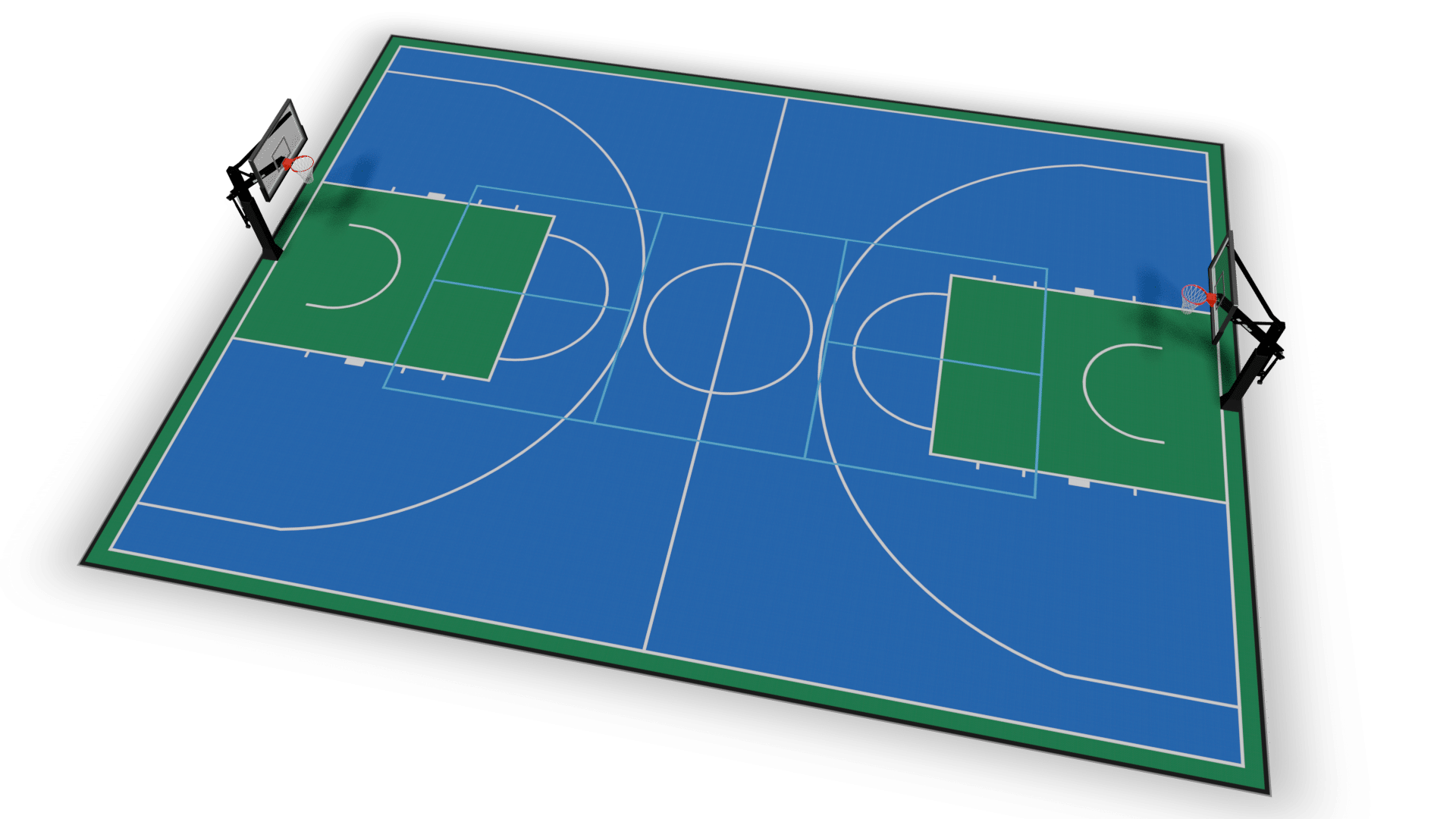
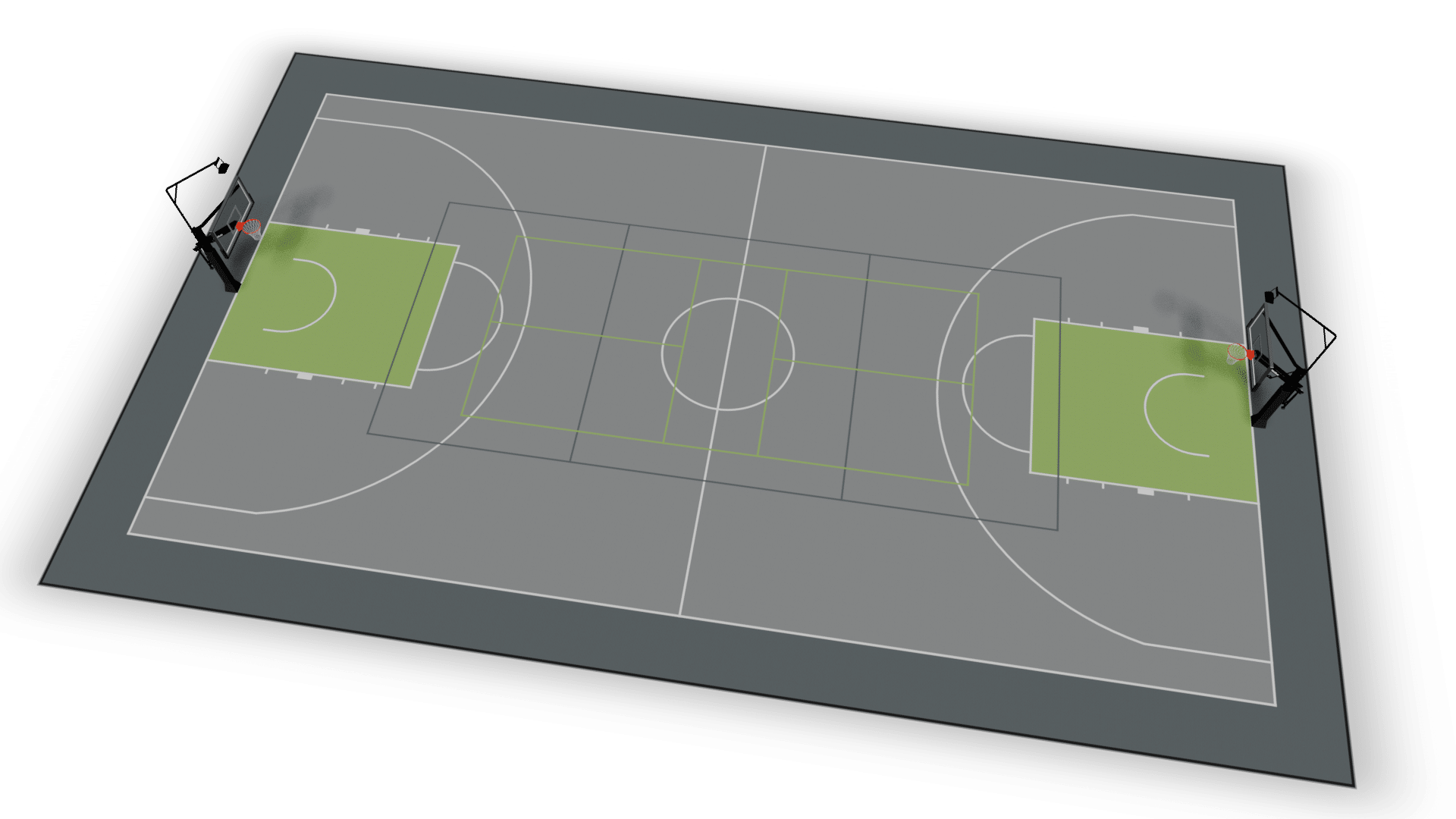
Matching the Hoop to Your Court Size
Choosing a hoop that suits the scale of your court is often overlooked.
The goal is alignment. Your hoop should feel like it belongs on the court, not like an afterthought.
Efficient layouts for smaller spaces need a compact hoop.
A slightly smaller backboard often feels more balanced
Stability still matters – avoid lightweight systems
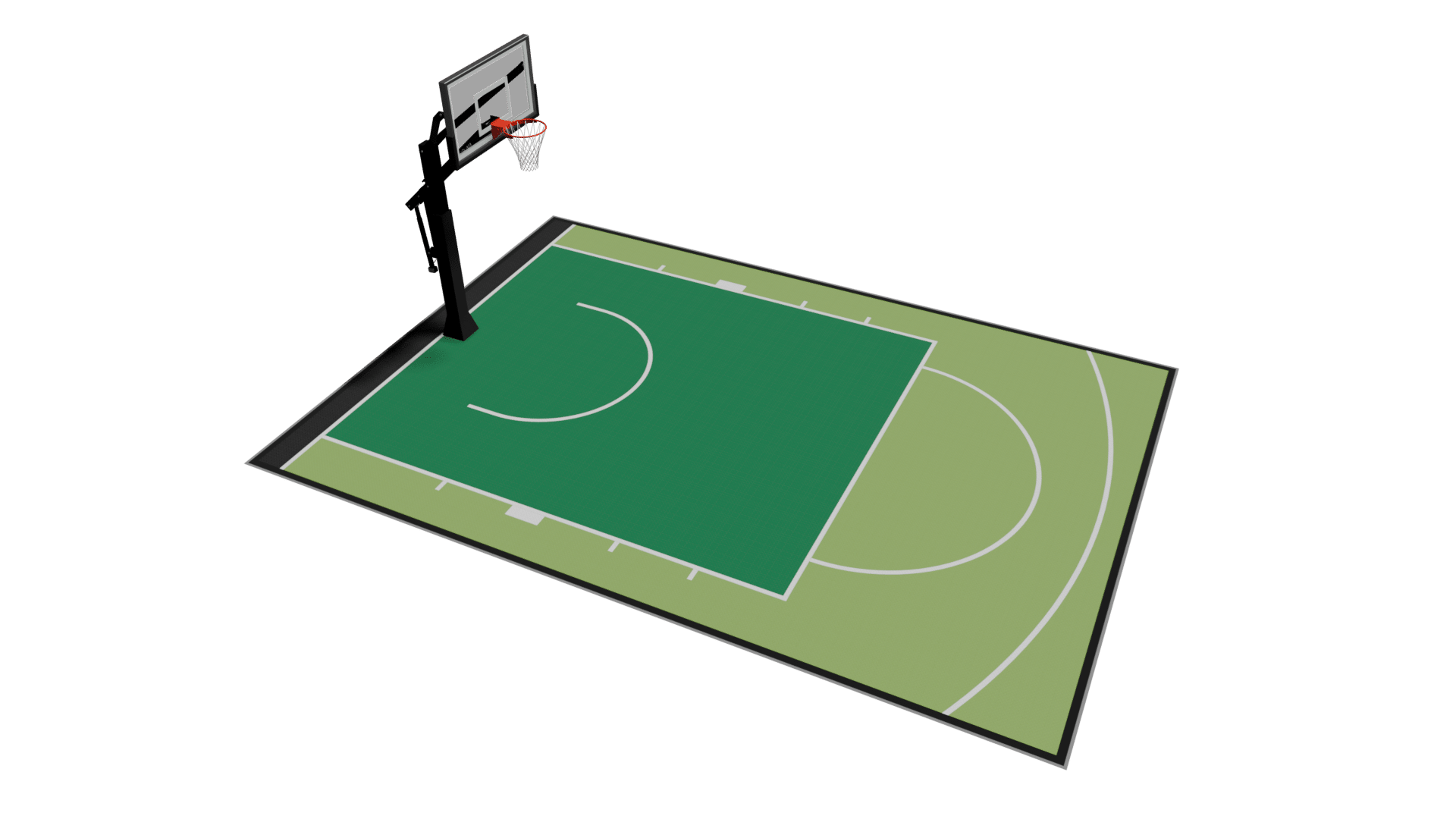
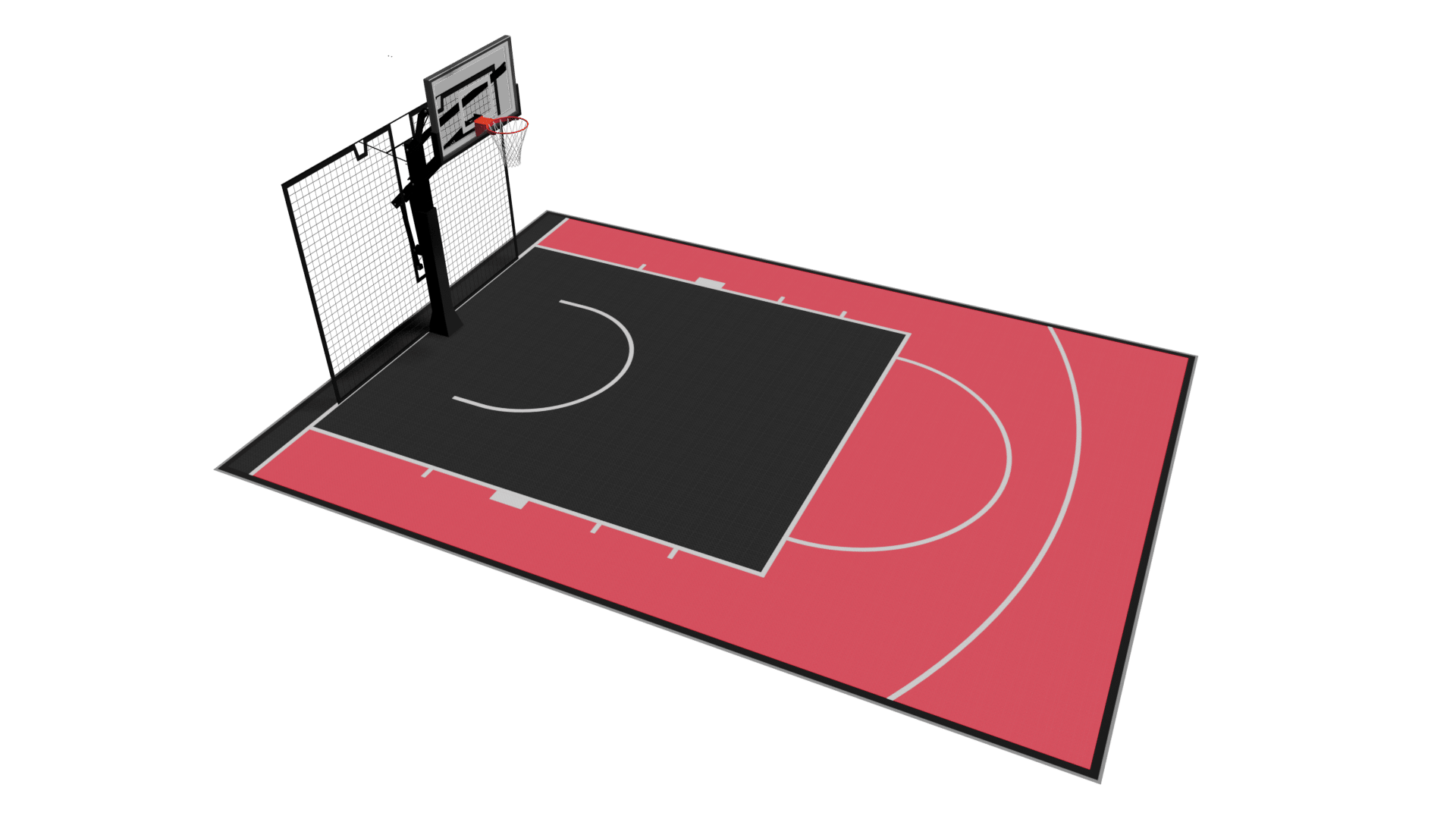
Balanced, regulation-style designs ideal for training and competitive play. Fully configurable in 3D.
The most versatile category
Larger backboards often enhance play and appearance
Suitable for more advanced training and shared use
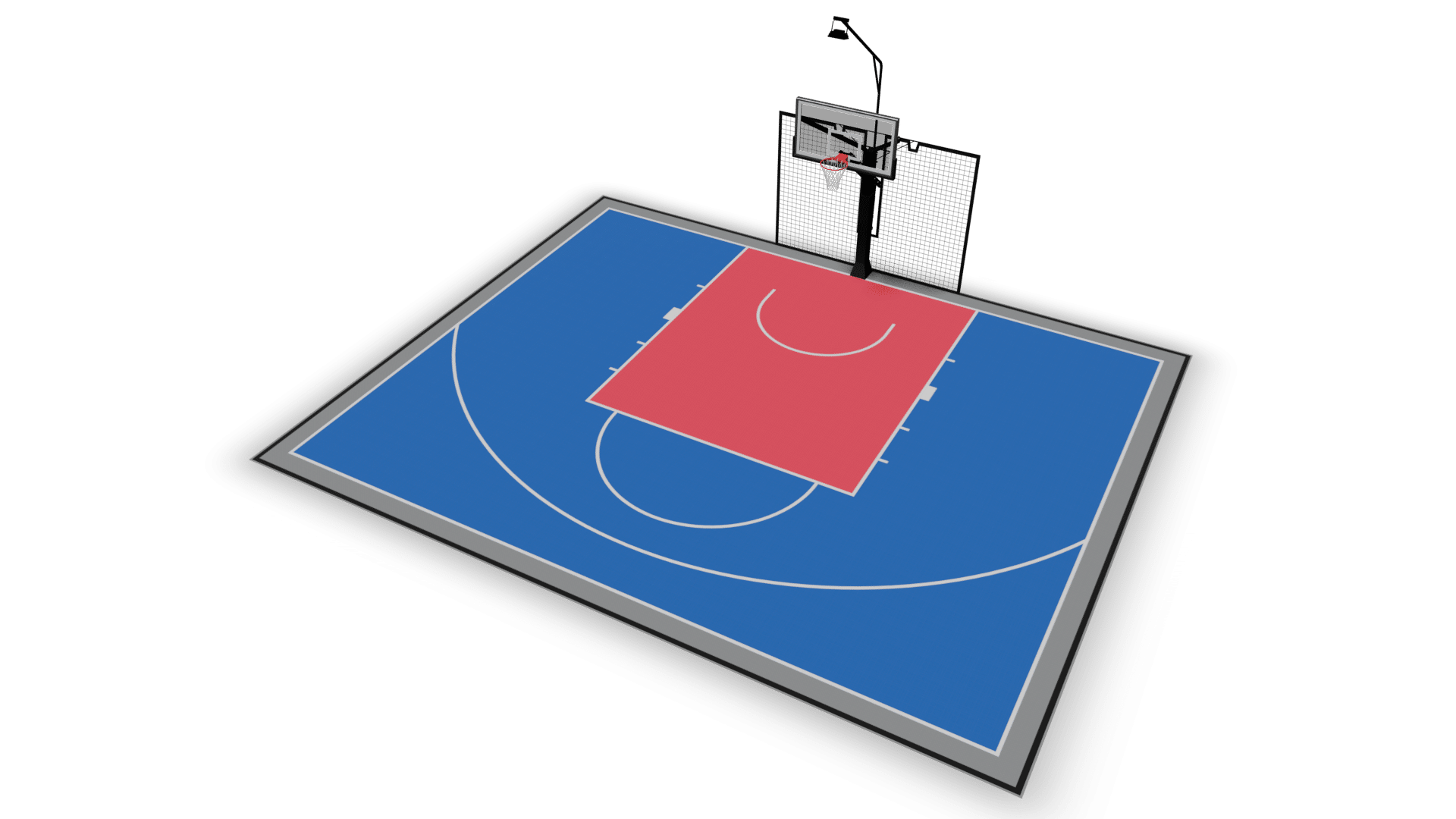
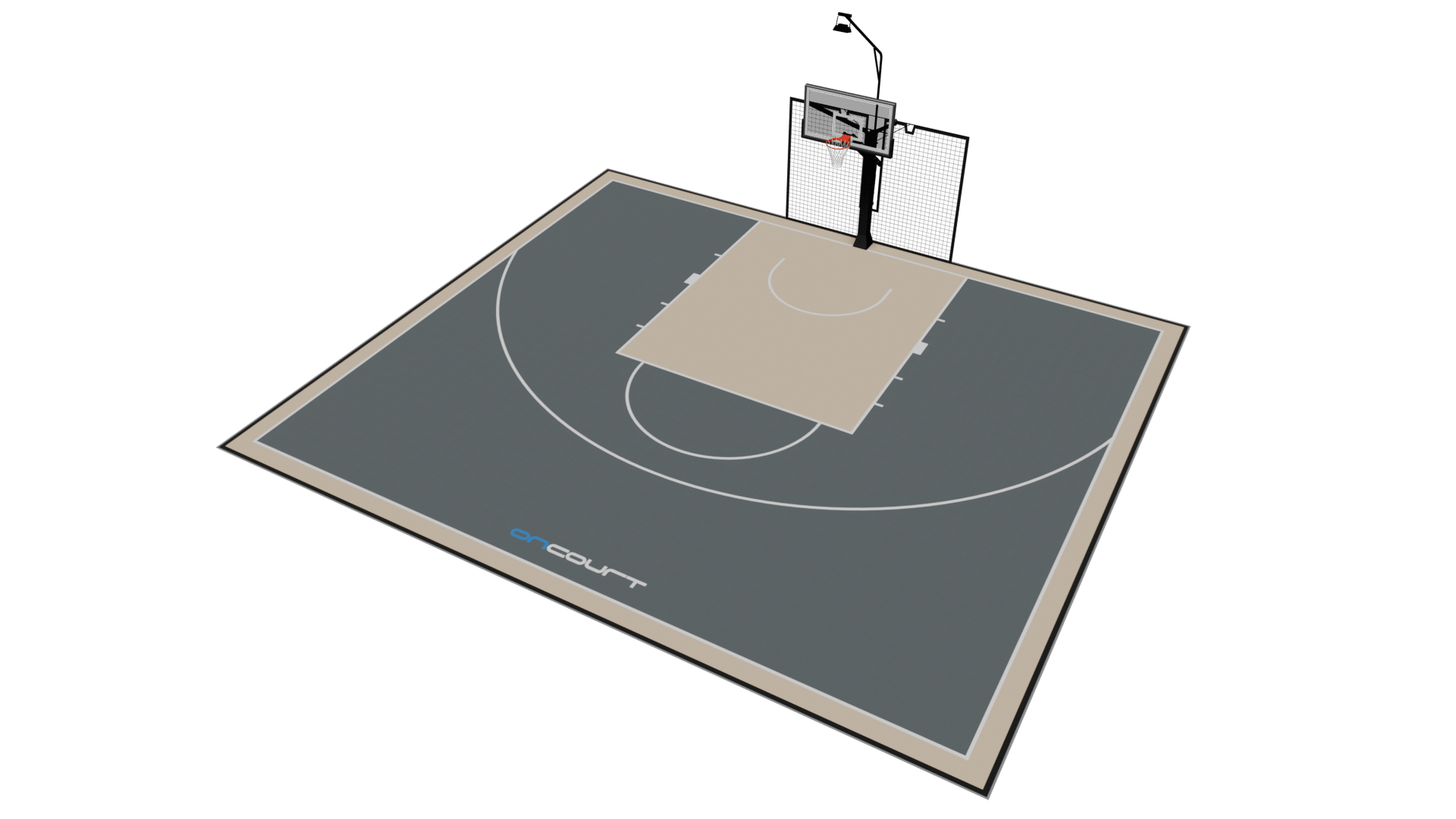
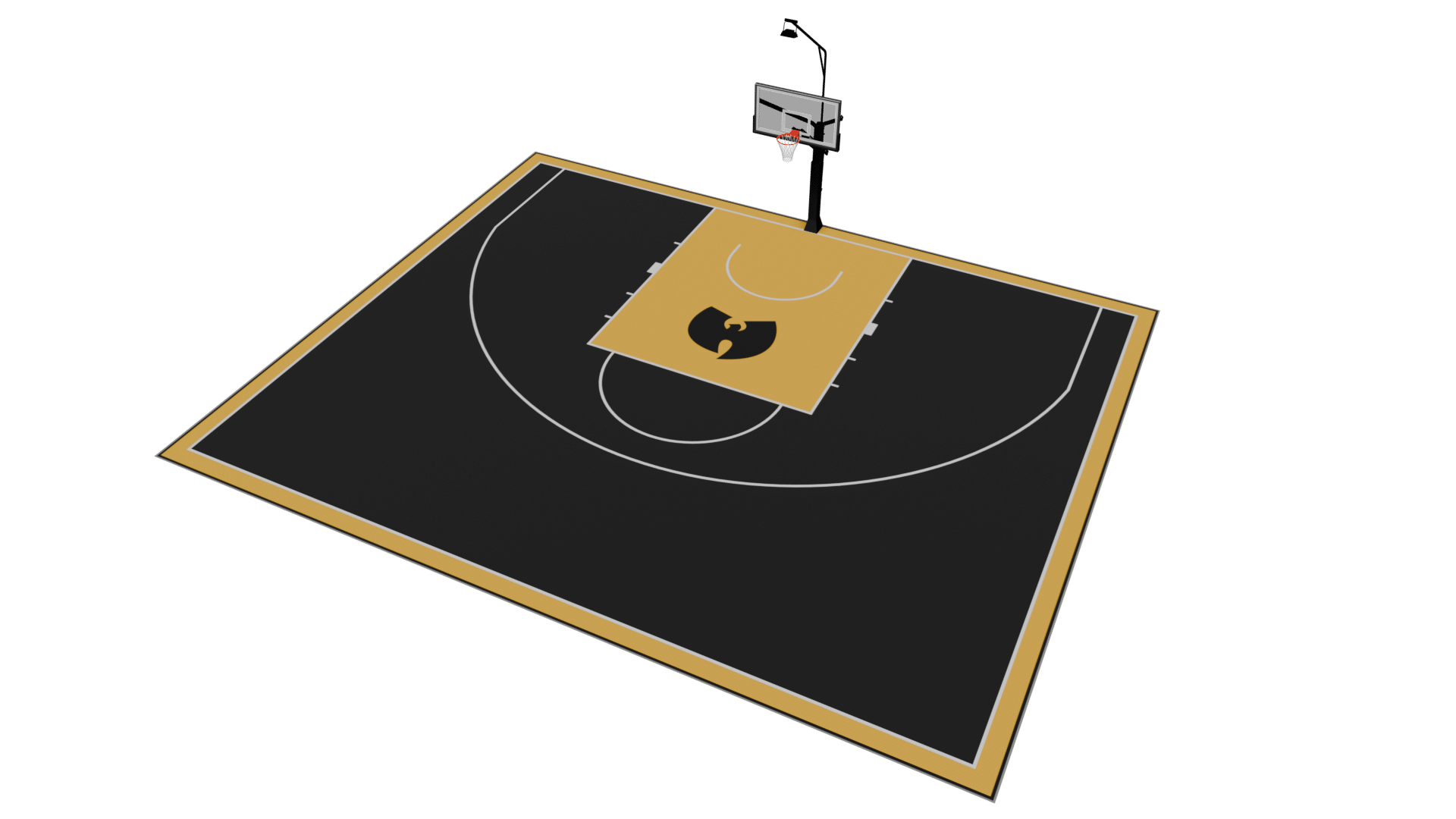
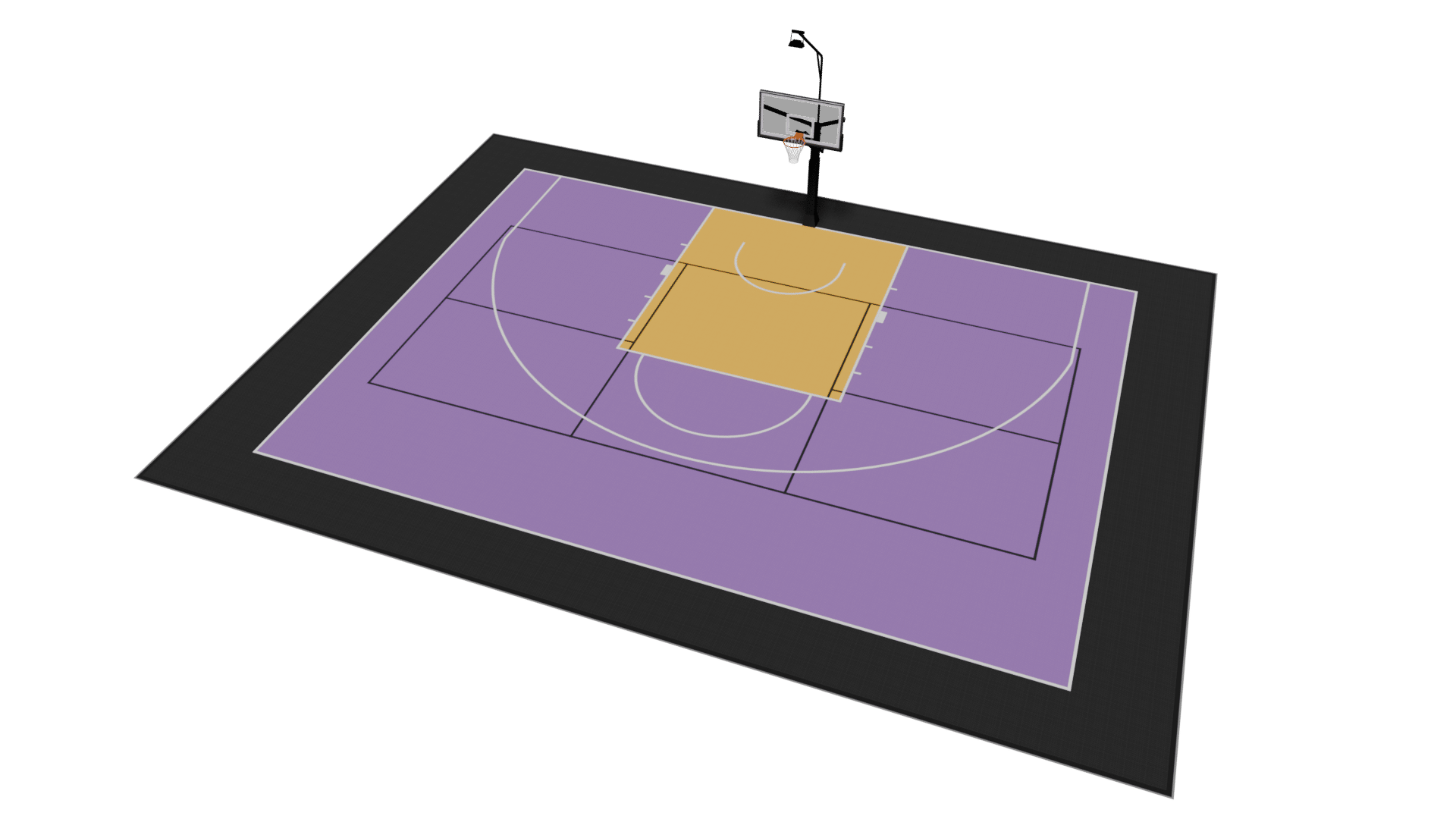
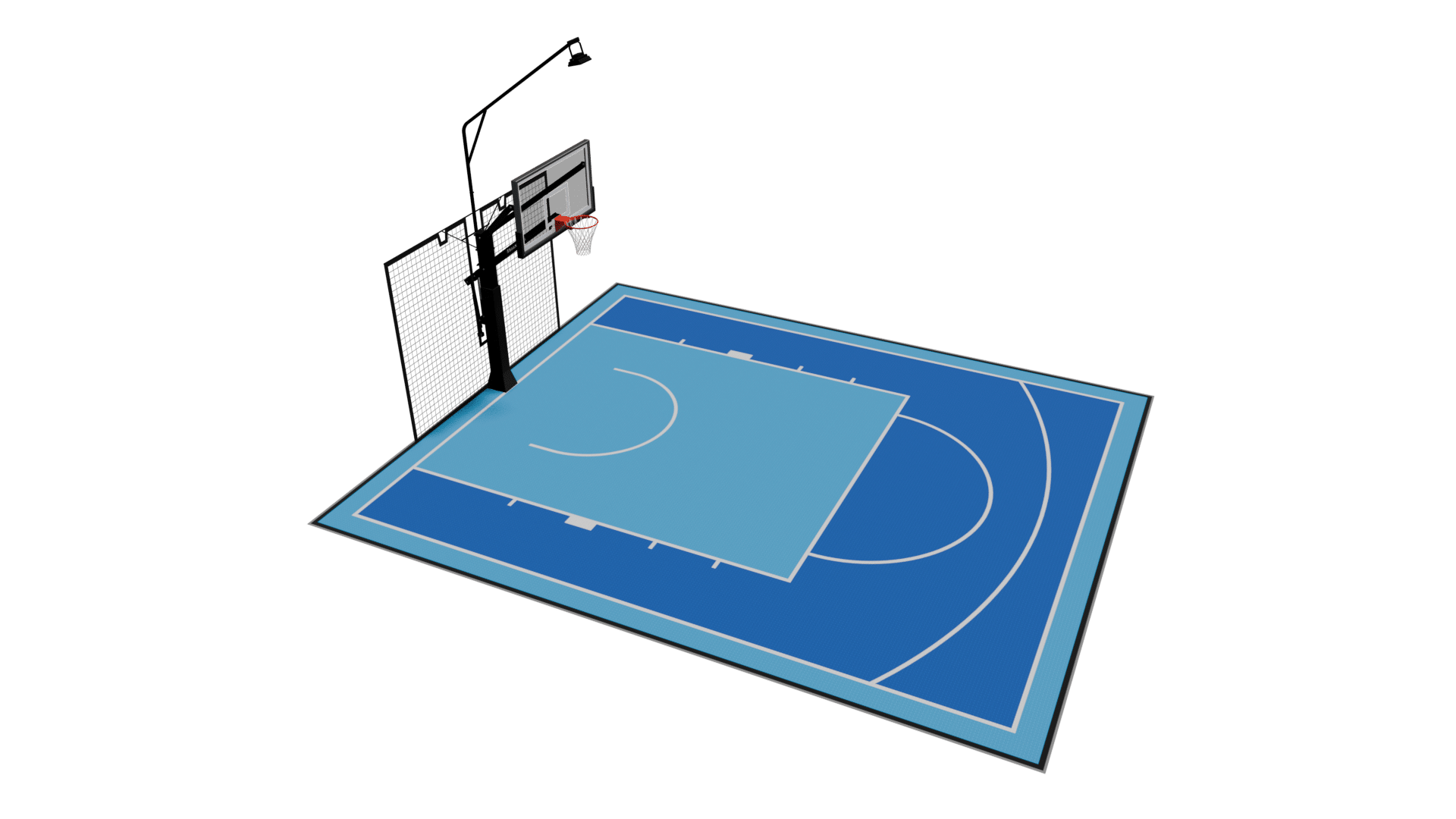
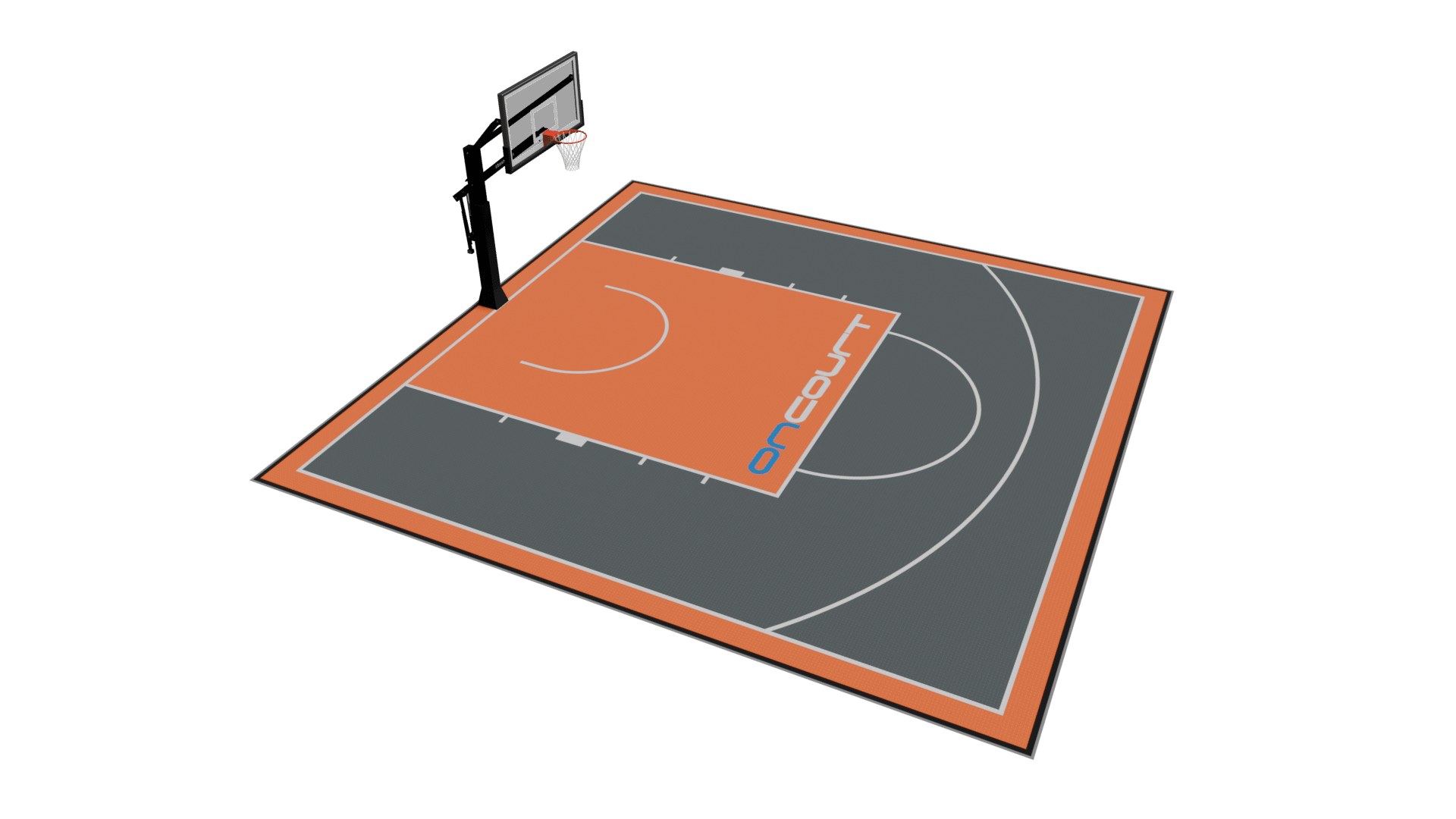
Complete basketball layouts for serious play. Refine every detail and generate pricing in the 3D designer.
Full-scale systems feel appropriate
Maximum stability and rebound performance become essential

Installation Considerations
Before selecting a hoop, consider:
full shooting arc clearance above the hoop
available clearance behind the baseline
proximity to buildings or fences
court orientation and dominant shooting direction
local ground conditions for concrete foundations
Planning installation early avoids compromises later and ensures the hoop performs as intended once play begins.
A Simple Decision Framework
When choosing a hoop for a home court, ask:
How permanent do I want this installation to be?
Who will be using the court now — and in five years?
What size and style of court am I building?
Do I value performance feel over portability?
Clear answers to these questions usually point to the right solution quickly.
Explore Professional-Grade Basketball Hoops
OnCourt supplies in-ground basketball hoops designed for serious home and club use, offering professional-grade stability, tempered glass backboards and smooth height adjustment.

 English (UK)
  Български
  Čeština
  Dansk
Dansk  Deutsch
  Nederlands
  Español
  Eesti
Eesti  Français
  Ελληνικά
  Hrvatski
  Magyar
  Italiano
  Latviešu valoda
  Lietuvių kalba
  Norsk bokmål
  Português
  Polski
  Română
  Српски језик
  Slovenčina
  Slovenščina
  Suomi
Suomi  Svenska
  Türkçe
  العربية