Výber správneho povrchu pre vaše ihrisko
Výber správneho povrchu pre vonkajšie basketbalové ihrisko je jedným z najdôležitejších rozhodnutí v procese plánovania. Povrch priamo ovplyvňuje hrateľnosť, komfort, odolnosť, nároky na údržbu a dlhodobú spokojnosť.
Neexistuje jeden „najlepší“ povrch pre každý projekt. Rôzne materiály sú vhodné pre rôzne rozpočty, lokality a spôsoby využitia. Tento sprievodca ponúka jasné a praktické porovnanie najbežnejších povrchov pre basketbalové ihriská a opisuje vhodnosť každého z nich.
Poznámka: Niektoré podlahové systémy uvedené v tomto prehľade sú primárne určené na vnútorné použitie a sú zahrnuté len na účely porovnania.
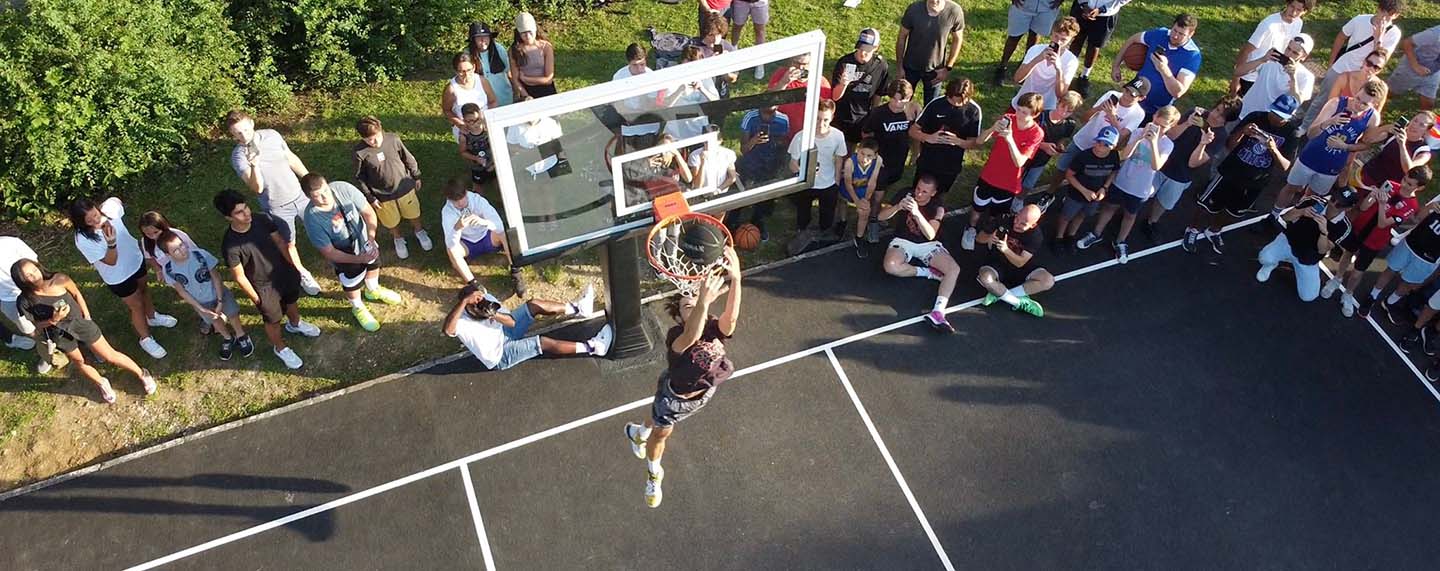
Betón a asfalt
Betón a asfalt sú najbežnejšie základy pre vonkajšie basketbalové ihriská, najmä na príjazdových cestách, školských dvoroch a verejných priestranstvách.
Výhody
Široko dostupné a relatívne nízke náklady
Mimoriadne odolné pri správnej inštalácii
Vhodné ako dlhodobý konštrukčný základ
Minimálna priebežná údržba
Obmedzenia
Veľmi tvrdá podrážka, ktorá zvyšuje náraz na kĺby
Bez tlmenia nárazov
Odozva lopty môže pôsobiť nekompromisne
Na povrchu sa môžu časom vytvárať praskliny
Obmedzené výkonnostné vlastnosti pre serióznu hru
Betón a asfalt poskytujú funkčný základ, no samy o sebe ponúkajú len obmedzený komfort alebo kvalitu hry.
Lakovaný alebo natieraný betón
Natretý betón alebo betón s povrchovou úpravou sa často považuje za vylepšenie holého betónu pomocou špecializovaných farieb alebo náterov na zlepšenie vzhľadu a priľnavosti.
Výhody
Vylepšený vizuálny vzhľad
Prispôsobiteľné farby a označenia
Lepšia trakcia ako pri surovom betóne
Nižšie náklady ako pri mnohých špecializovaných športových povrchoch
Obmedzenia
Minimálne odpruženie
Nátery sa časom opotrebúvajú
Priľnavosť sa môže so starnutím povrchu zhoršovať
Vyžaduje pravidelnú aplikáciu
Natretý betón je najlepšie považovať skôr za kozmetické vylepšenie a zlepšenie priľnavosti ako za výkonnostné riešenie.
Akrylové / živicové športové nátery
Športové nátery na báze akrylátu a živice sa bežne používajú na vonkajších tenisových kurtoch a viacúčelových ihriskách.
Výhody
Konzistentná štruktúra povrchu
Lepšia priľnavosť ako pri štandardnej farbe
Čistejšia odozva lopty ako pri holom betóne
Navrhnuté špeciálne na športové použitie
Obmedzenia
Obmedzená absorpcia nárazov
Výkon sa líši podľa systému a hrúbky
Opotrebovanie povrchu v priebehu času
Kvalita inštalácie je rozhodujúca
Hoci sú tieto systémy vhodné na ľahké až stredne náročné hranie, väčšina ich výkonnostných charakteristík sa stále spolieha na pevný podklad.
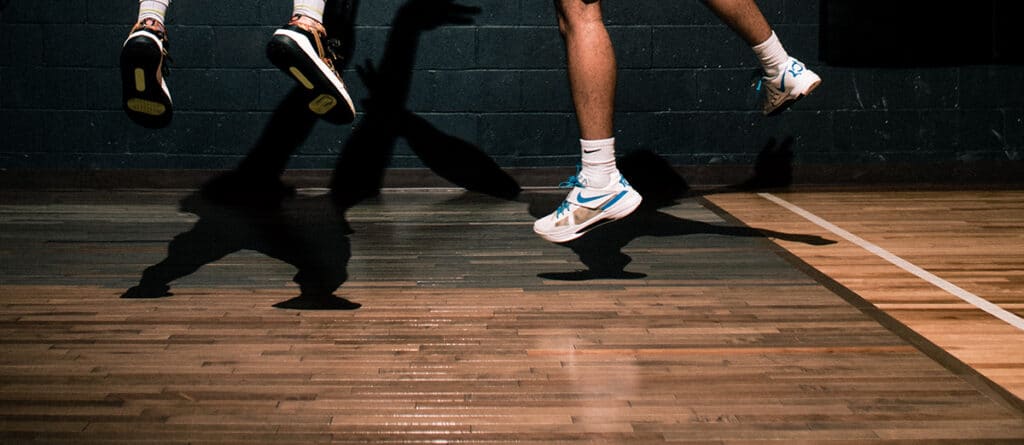
Odpružené a zavesené športové podlahy (vnútorný kontext)
Odpružené alebo zavesené športové podlahové systémy sú zlatým štandardom pre vnútorné basketbalové ihriská, najmä v profesionálnom a klubovom prostredí.
Výhody
Vynikajúca absorpcia nárazov
Zníženie namáhania kĺbov
Vysoko konzistentná odozva lopty
Navrhnuté pre elitný výkon
Obmedzenia
Len na použitie v interiéri
Nevhodné na vystavenie poveternostným vplyvom
Vysoké náklady
Komplexné požiadavky na inštaláciu
Tieto systémy sú tu uvedené na porovnanie, ale nie sú vhodné pre vonkajšie basketbalové ihriská.
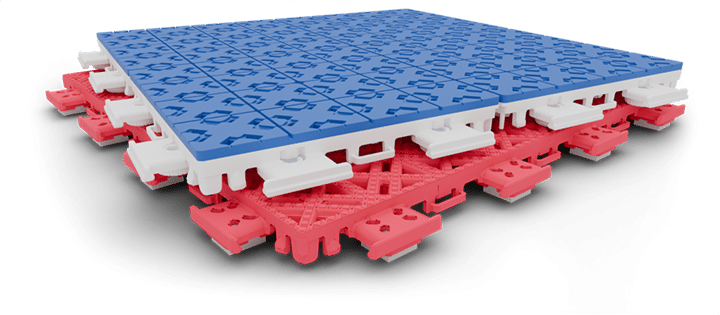
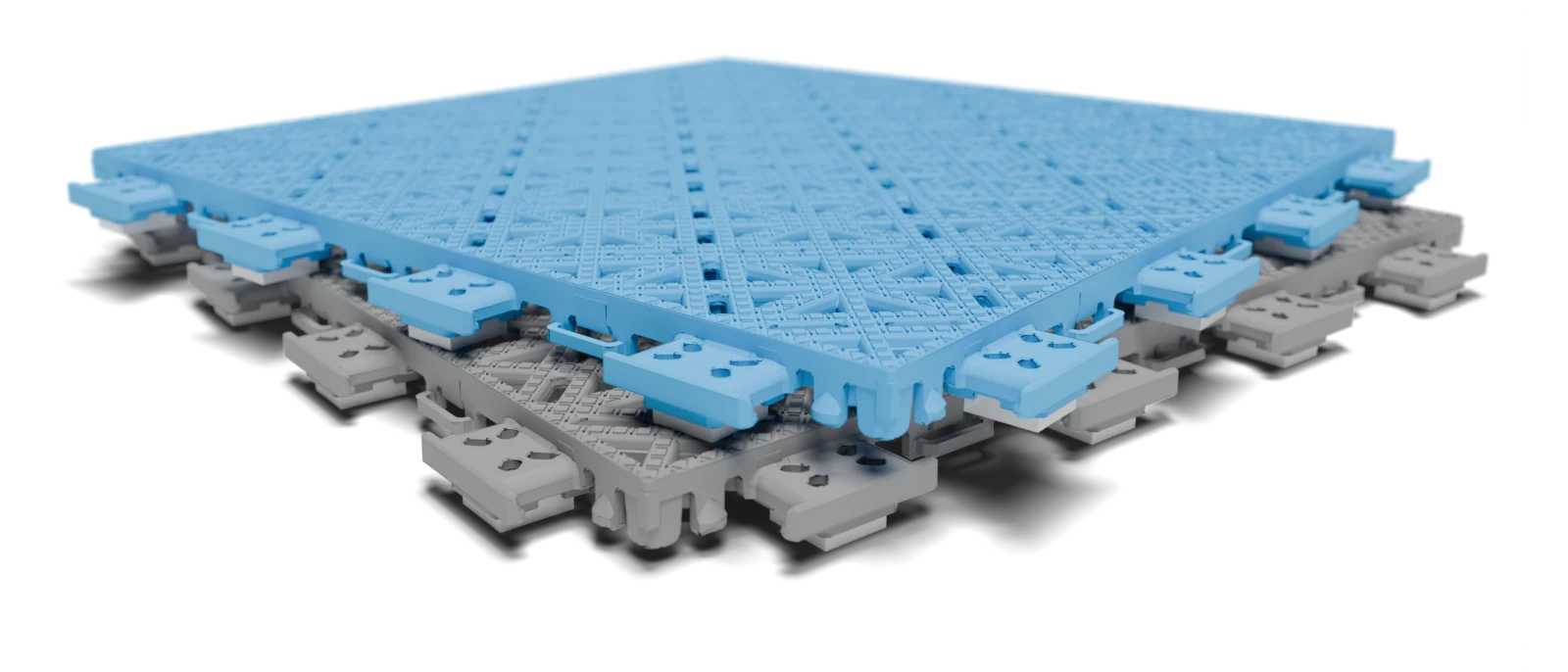
Modulárne športové dlaždice (vonkajšie basketbalové zameranie)
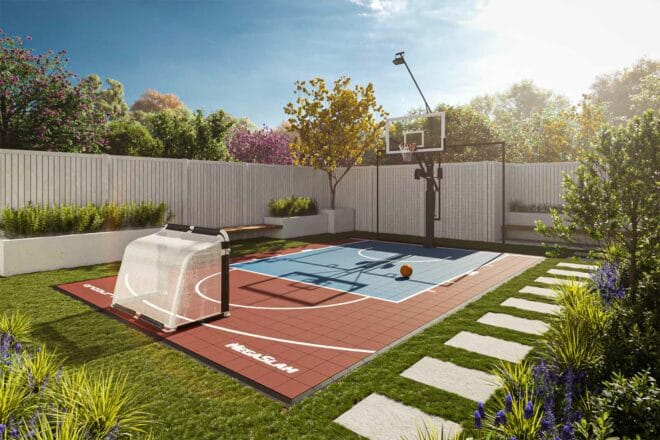
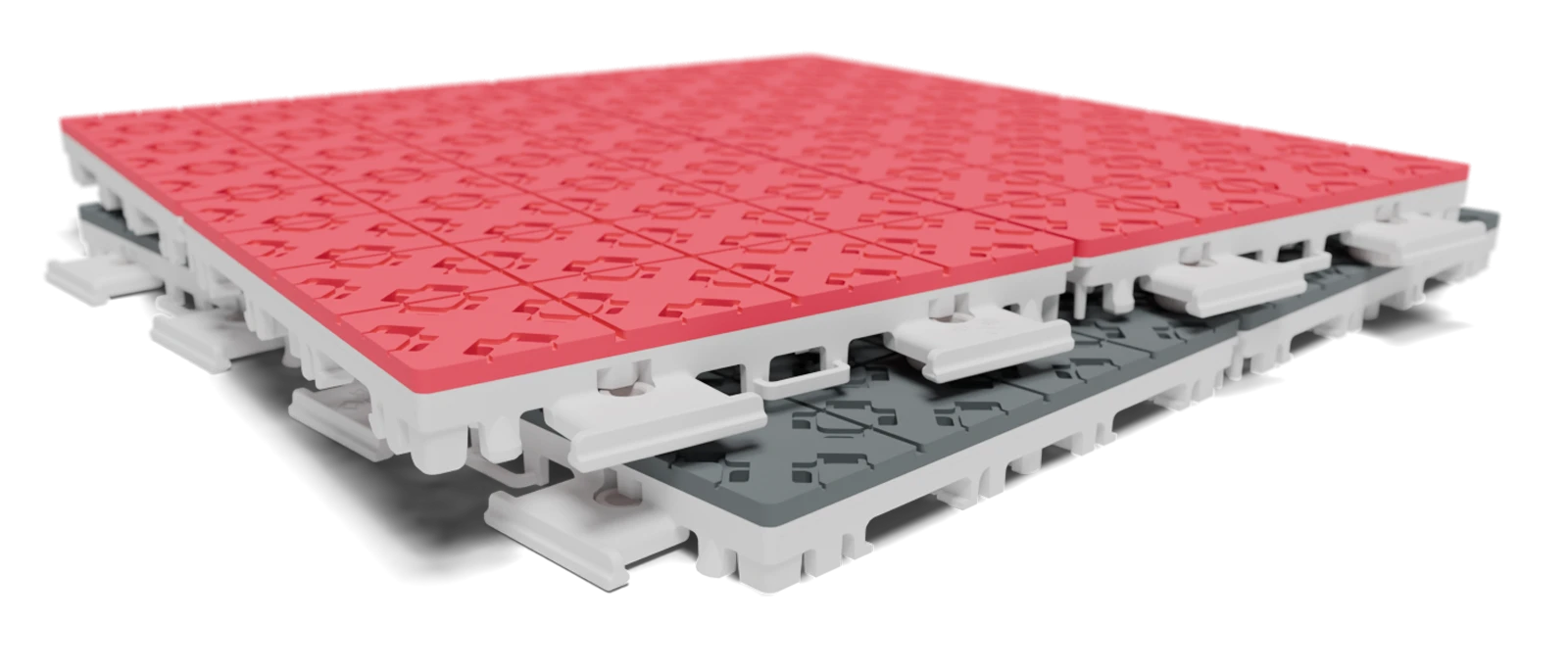
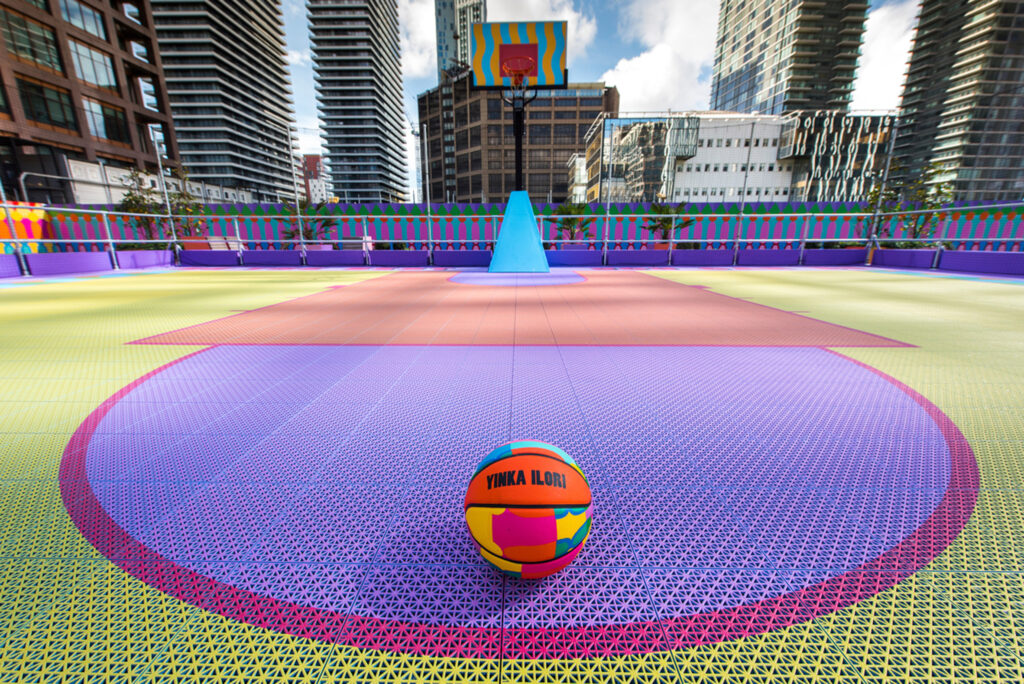
Modulárne športové dlaždice sú účelovo navrhnuté systémy, ktoré sa bežne používajú na vonkajšie basketbalové ihriská a ponúkajú rovnováhu medzi výkonom, komfortom a odolnosťou.
Výhody
Navrhnuté špeciálne pre vonkajšie podmienky
Lepšia absorpcia nárazov v porovnaní s betónom
Konzistentná odozva lopty
Dobrá priľnavosť a trakcia
Umožňuje odvodnenie a prúdenie vzduchu
Modulárna inštalácia a výmena
Prispôsobiteľné farby a rozloženia
Obmedzenia
Vyššie počiatočné náklady ako pri základných náteroch
Výkon sa líši podľa kvality a dizajnu dlaždíc
Vyžaduje správne pripravený podklad
Pre mnohé vonkajšie basketbalové ihriská, najmä pre domáce, klubové a školské inštalácie, poskytuje modulárna podlaha najlepšiu rovnováhu medzi hrateľnosťou a dlhou životnosťou.
Výber správneho povrchu pre váš prípad použitia
Pri porovnávaní možností povrchov je potrebné zvážiť, ako sa bude ihrisko skutočne používať.
Domov Basketbalové ihriská
Domáce ihriská často využívajú povrchy, ktoré vyvažujú pohodlie, výkon a vizuálnu príťažlivosť. Dlhodobá trvanlivosť a zníženie nárazov na kĺby sú kľúčovými faktormi, najmä pri pravidelnom hraní.
Kluby a tréningové zariadenia
Kluby zvyčajne uprednostňujú konzistentný výkon, bezpečnosť a trvanlivosť. Základom je povrch, ktorý podporuje časté používanie a predvídateľnú odozvu lopty.
Domov Basketbalové ihriská
Školy a verejné zariadenia často vyžadujú robustné povrchy, ktoré zvládajú vysokú návštevnosť s minimálnou údržbou a zároveň ponúkajú prijateľné herné vlastnosti.
Pri konečnom rozhodovaní by sa mal zohľadniť rozpočet, priestor, očakávané využitie a dlhodobé ciele.
Každá možnosť povrchu vonkajšieho basketbalového ihriska má svoje miesto. Betón a nátery ponúkajú cenovú dostupnosť a jednoduchosť, zatiaľ čo špecializované systémy poskytujú lepšiu hrateľnosť a pohodlie. Pochopenie kompromisov medzi nákladmi, výkonom a trvanlivosťou pomáha zabezpečiť, aby výsledné ihrisko splnilo očakávania.
Správny povrch je ten, ktorý zodpovedá tomu, ako sa bude ihrisko používať - nielen tomu, ako vyzerá v prvý deň.
Ďalšie kroky
Praktické nástroje, ktoré vám pomôžu prejsť od porovnania k špecifikácii.
Prezrite si modulárne podlahové systémy navrhnuté špeciálne pre basketbal
Porovnajte materiály pomocou sady vzoriek podláh
Vizualizujte rozloženia a farby pomocou 3D návrhára ihriska
Každý krok pomáha zabezpečiť, aby hotové ihrisko fungovalo presne tak, ako bolo zamýšľané — na povrchu aj pod ním.

 English (UK)
  Български
  Čeština
  Dansk
Dansk  Deutsch
  Nederlands
  Español
  Eesti
Eesti  Français
  Ελληνικά
  Hrvatski
  Magyar
  Italiano
  Latviešu valoda
  Lietuvių kalba
  Norsk bokmål
  Português
  Polski
  Română
  Српски језик
  Slovenčina
  Slovenščina
  Suomi
Suomi  Svenska
  Türkçe
  العربية
  Bosanski
  Українська