

Resurfacing a court you already have
If you already have a tarmac or concrete court that plays badly, the base is usually fine and the surface is the problem. Tiles lay straight over it, which makes resurfacing a weekend rather than a rebuild.
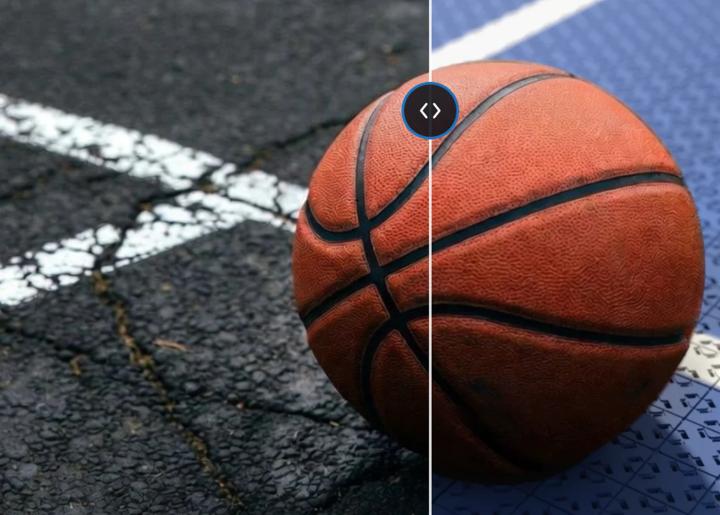
A tired court is usually a tired surface on a perfectly good base. Tarmac goes brittle and sheds grit, painted concrete wears through in the high-traffic areas, and both get slippery when damp. None of that means the ground underneath has failed.
Modular tiles lay over an existing hard surface, so in most cases resurfacing means covering what is there rather than removing it. That is the difference between a large job and a manageable one.
Is your base good enough?
Four questions, in order of how likely they are to stop you.
- Is it structurally sound? Hairline cracks are fine. A crack with a step in it, or one that has moved in the last year, is a base problem and tiling over it hides it rather than fixing it.
- Does it drain? Water should leave the slab rather than pond on it. Tiles drain through, so anything they pass water onto needs somewhere for it to go.
- Is it flat enough? Tiles bridge small undulations comfortably. What they cannot do is disguise a dip that holds water or a ridge that lifts a tile proud.
- Is it big enough? This is the one people forget. Your existing slab sets your court size unless you extend it, and if it was poured for something else it may not suit the layout you want.
What tiling over gains you
Grip that stays consistent wet or dry, which is the usual reason an old tarmac court stops being used. Some give underfoot, which matters more as the people using it get older. And a surface where a damaged section is replaceable rather than patched.
It also puts the markings back properly. On a repainted court the old lines usually ghost through; on a tiled court the layout is built from the tiles themselves, so a court that used to be a faded basketball key can come back as a clean multi-sport layout.
What it does not fix
Drainage that was wrong from the start. Ground that moves. A slab that is the wrong size or in the wrong place. Tiling over any of those buys time and then the original problem reappears, usually as tiles lifting in the same spot.
If the existing surface has failed in a way you can see moving, get the base looked at before spending anything on a new surface.
Grass, and other surfaces that are not a base
Tiles need a hard, flat base. They cannot be laid on grass, soil or loose gravel, because there is nothing for the interlocked field to sit against and the surface will move underfoot.
That is worth being clear about, because a modular floor is sometimes described as though it can go anywhere. It can go over almost any sound hard surface, which is a different claim.
Working out whether it is worth it
Compare it against what you would otherwise spend. Resurfacing tarmac with tarmac is cheaper per square metre and buys you the same surface that disappointed you. Tiling costs more upfront and changes what the court is: consistent grip, replaceable sections, proper markings and no repainting.
The size is already decided by your slab, so you can price it accurately before committing to anything.
Related products
Frequently asked questions
View all FAQs →More questions? Browse the full basketball court FAQ