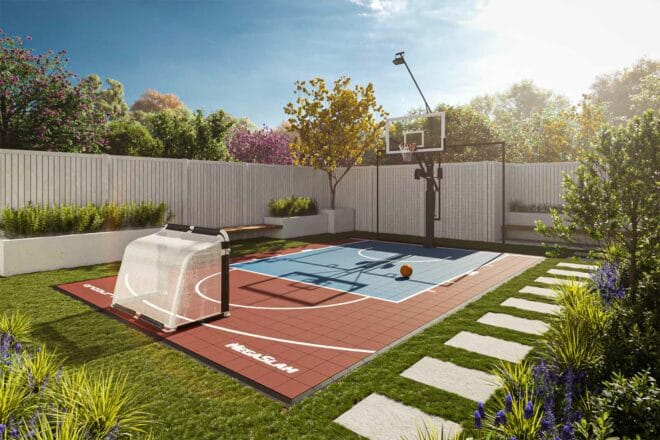
Izgradite košarkaški teren iz snova u svom dvorištu
A home basketball court can be as simple as a practice space for shooting or as considered as a fully designed, high-performance playing surface. The difference between the two comes down to planning.
This guide brings together the key decisions involved in creating a home basketball court, from space and layout through to flooring, hoops and finishing details. Whether you’re working with a compact driveway or a large dedicated garden space, understanding these fundamentals will help you build a court that plays well, looks right and lasts.
Understanding Your Available Space
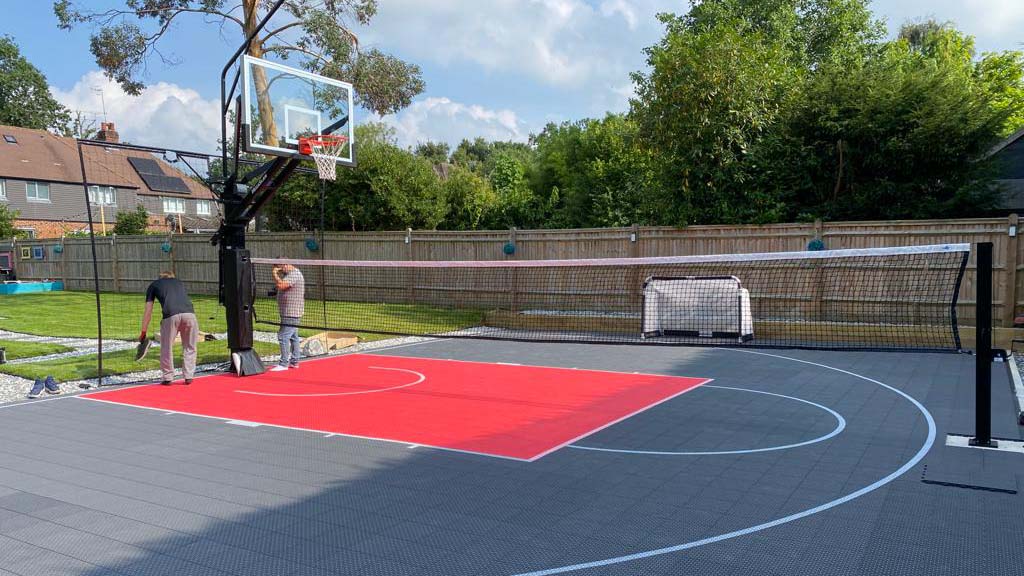
Every home basketball court starts with space. The vast majority are not regulation-sized.
Before thinking about surfaces or equipment, it’s important to assess the usable area available, including clearances around the playing zone, proximity to buildings or boundaries, and how the court will be accessed day to day. Sun position, neighbouring structures and long-term use should also be considered early.
Key factors to consider include:
- total usable area and clearances
- proximity to buildings, fences or boundaries
- sun position at common playing times
- access routes and circulation space
- potential future changes to the space
Many successful home courts are intentionally non-standard. What matters most is proportion, not regulation, especially when planning a basketball court layout that suits the realities of a home environment.
Choosing the Right Court Layout
The layout you choose has a direct impact on how the court feels to play on. Home basketball courts typically fall into a small number of proven formats, each supporting different styles of use and levels of play.
Common layout approaches include:
- compact practice courts focused on shooting
- half-court layouts for movement and game flow
- adapted full courts for larger residential spaces
- 3×3-inspired layouts with efficient proportions
Understanding common basketball court layouts early helps avoid compromises later. For tighter spaces, compact basketball court layouts work particularly well, while 3×3 basketball court dimensions offer a versatile option for modern play.
Court Orientation & Lighting
Thoughtful orientation can significantly improve the long-term usability of a home basketball court.
Planning considerations include:
- sun position and glare during shooting
- shadows cast by buildings or trees
- prevailing weather conditions
- potential for evening or winter play
If the court will be used after daylight hours, basketball court lighting for home courts should be planned as part of the overall design rather than added later as an afterthought.
Basketball Court Surfaces Explained
The playing surface defines how the court feels underfoot and how it performs over time. Outdoor basketball courts are typically built on a hard base, with different surface systems layered on top depending on performance requirements and budget .
Common surface options include:
- bare concrete or asphalt
- painted or coated concrete
- acrylic or resin sports coatings
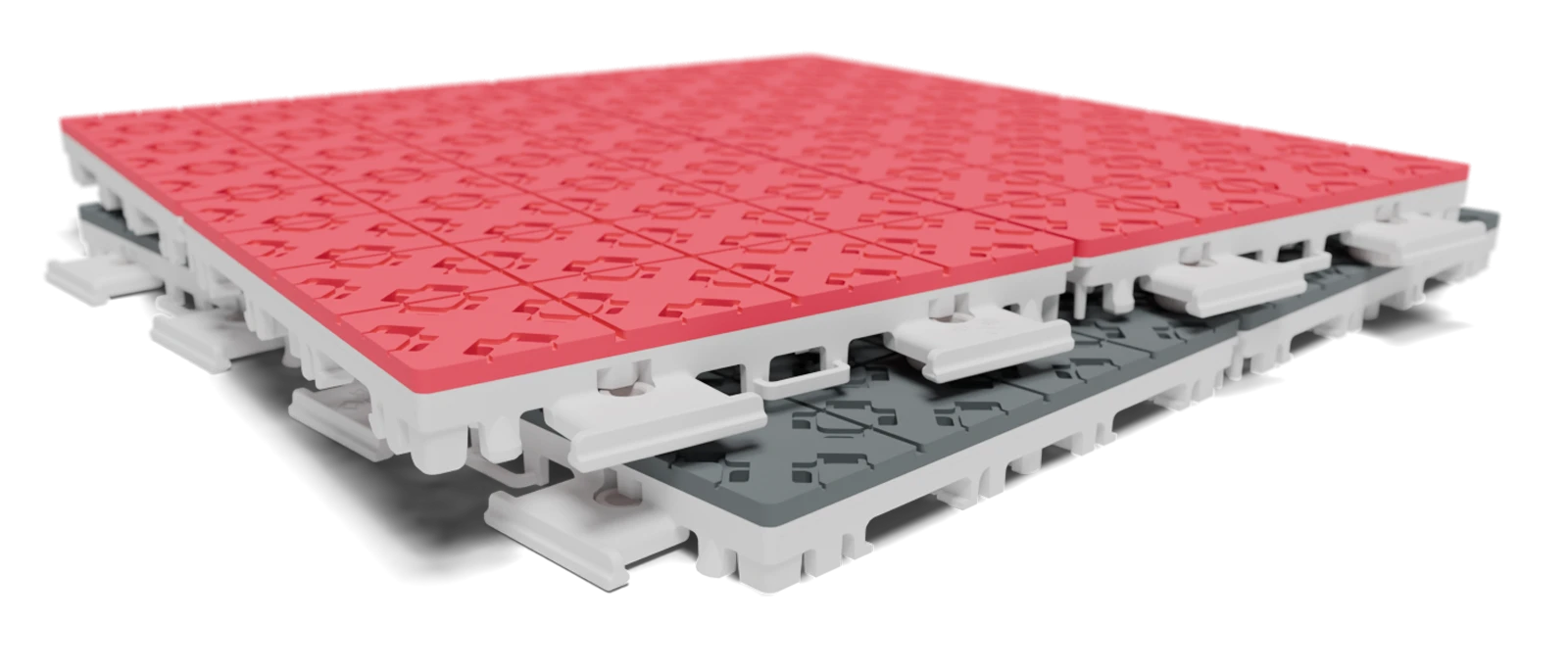
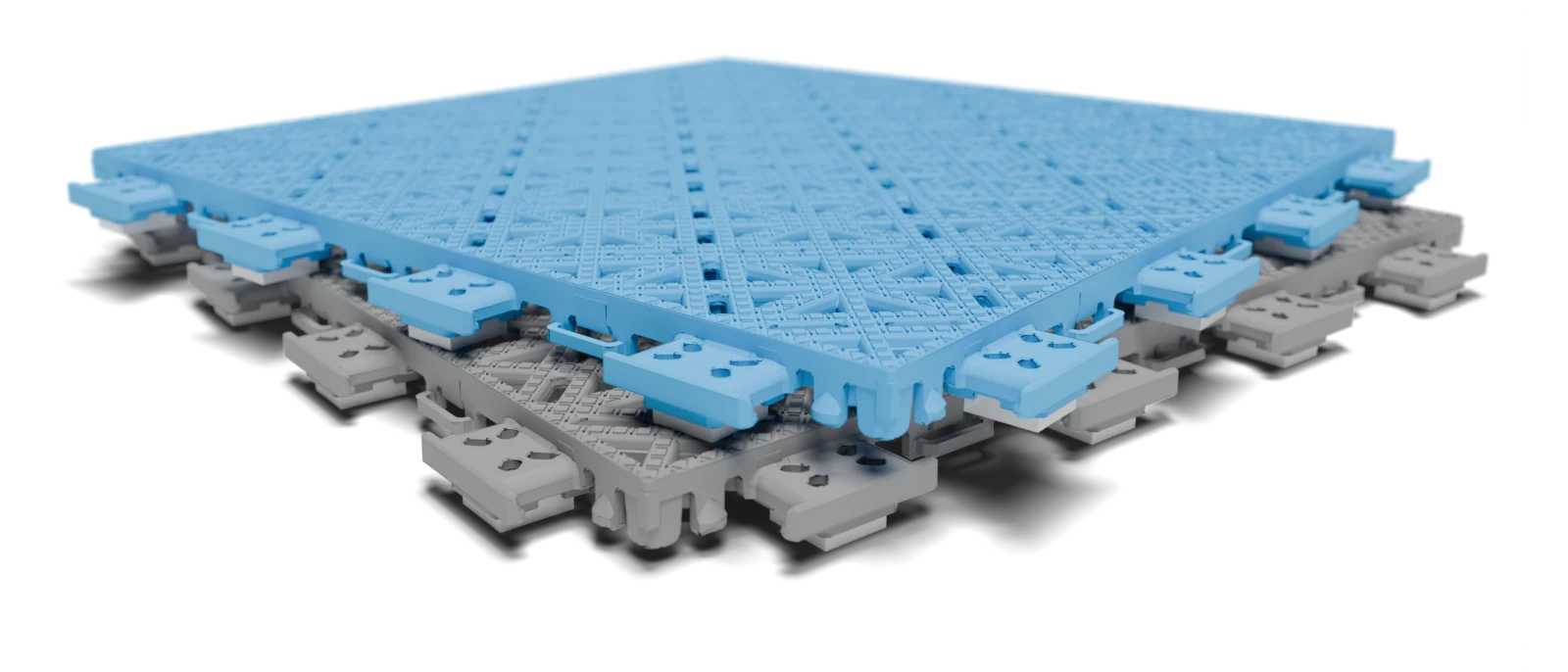
- modular basketball flooring systems
Each option involves trade-offs between cost, comfort, durability and maintenance. A clear understanding of outdoor basketball court surface options, supported by a broader basketball court flooring guide, makes it easier to choose a surface that suits how the court will actually be used.
Selecting the Right Basketball Hoop
The hoop is the focal point of any basketball court and has a major influence on play quality. For home courts, the right hoop should feel proportional to the space and suitable for both current and future use.
Ključni razmatranja uključuju:
- permanent in-ground vs portable systems
- backboard size and material
- stability during play
- ease and range of height adjustment
Families and shared-use courts often benefit from smooth, reliable height adjustment, while more serious players prioritise rigidity and rebound consistency. Comparing basketball hoops for home courts helps clarify which systems best suit different spaces and expectations.
Design, Colour & Visual Restraint
The most successful home courts feel intentional rather than improvised. While personalisation can add character, restraint often leads to more timeless results.
Design choices that tend to age well include:
- neutral or limited colour palettes
- simplified court markings
- layouts that suit the proportions of the space
- minimal use of large graphics or logos
Good design supports the court rather than competing with it.
Installation & Ground Preparation
Even the best-designed court depends on what lies beneath it. Regardless of the surface chosen, long-term performance depends on:
- a stable, level sub-base
- proper drainage
- accurate tolerances
- suitable edge detailing
Understanding basketball court installation considerations early helps prevent avoidable issues and ensures the finished court performs as intended.
Bringing It All Together
Space, layout, surface, equipment and design choices all influence one another. Treating these decisions as part of a single planning process leads to better outcomes than addressing them individually.
Many homeowners find it useful to:
- visualise different layouts
- explore colour combinations
- understand realistic pricing ranges
- confirm proportions before committing
Tools that allow you to design your basketball court in 3D can simplify this process and help bring clarity to complex decisions.
From Theory to Practical Planning
We now have a better understanding of the key decisions involved in building a home basketball court, from space and layout through to surfaces, equipment and installation. The next step is to move from theory to practical planning.
Depending on where you are in the process, you may find it useful to:
- Explore basketball court layouts in more detail to confirm proportions and orientation
- Compare outdoor basketball court surface options to balance performance, comfort and durability
- Understand how different basketball hoops for home courts suit compact, medium and larger spaces
- ReviewReview installation considerations before committing to groundworks or surfacing
Explore Pre-Designed Home Basketball Courts in 3D
For many homeowners, visualising these choices together is the turning point. Using a planning tool to design your basketball court in 3D can help you test layouts, explore colours and understand realistic pricing before any work begins.
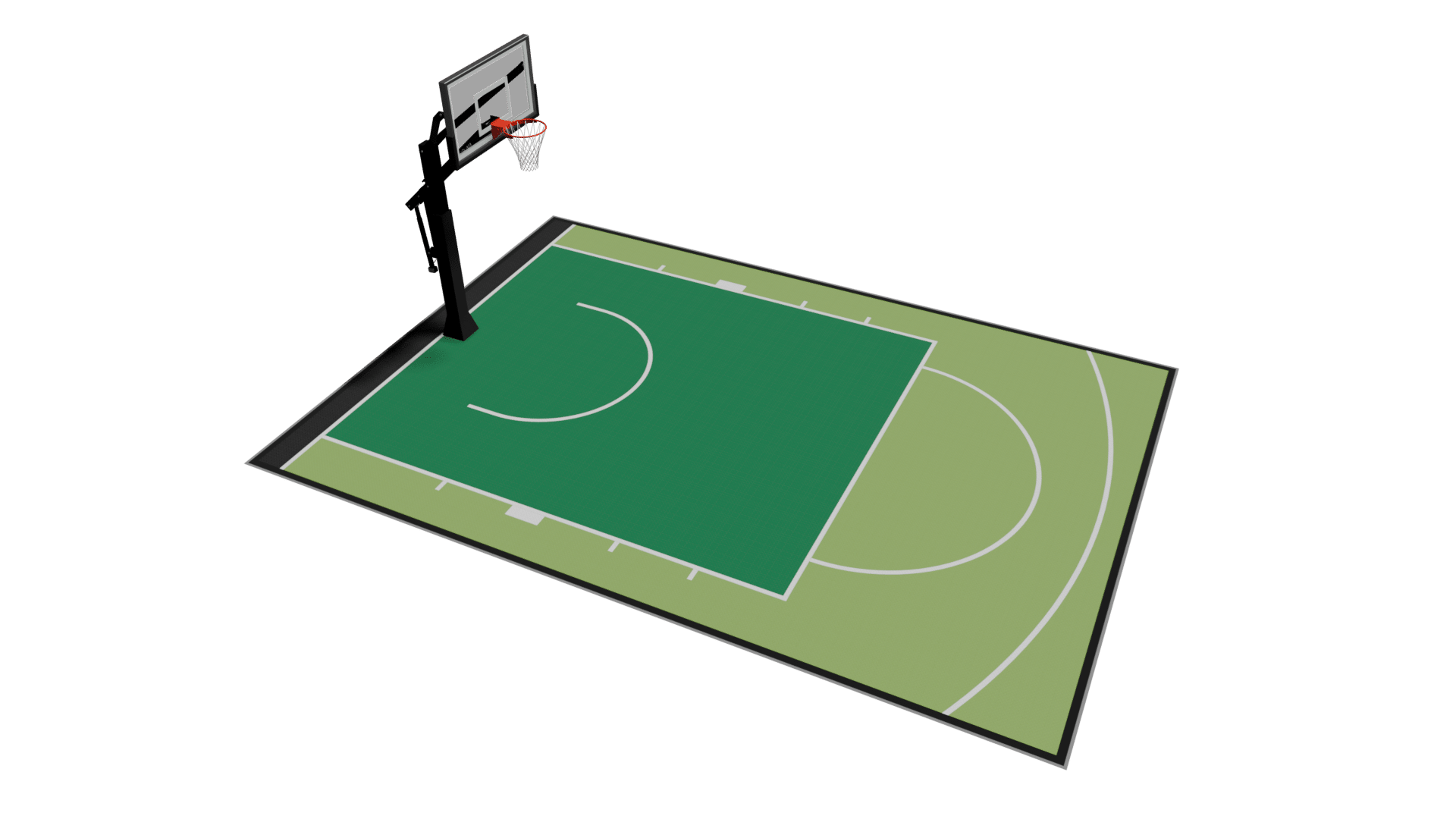
6 x 9 m
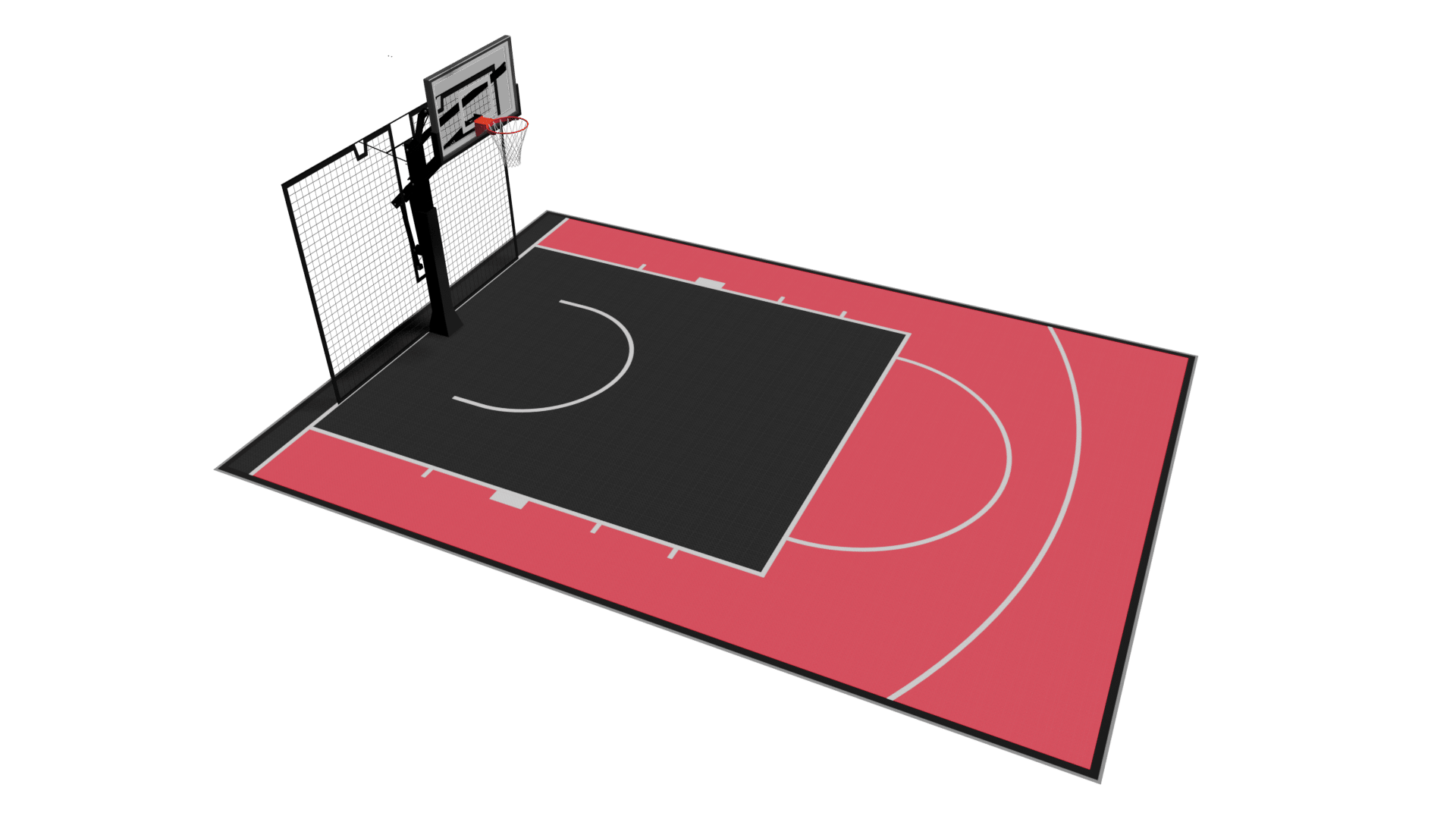
7 x 9,5 m
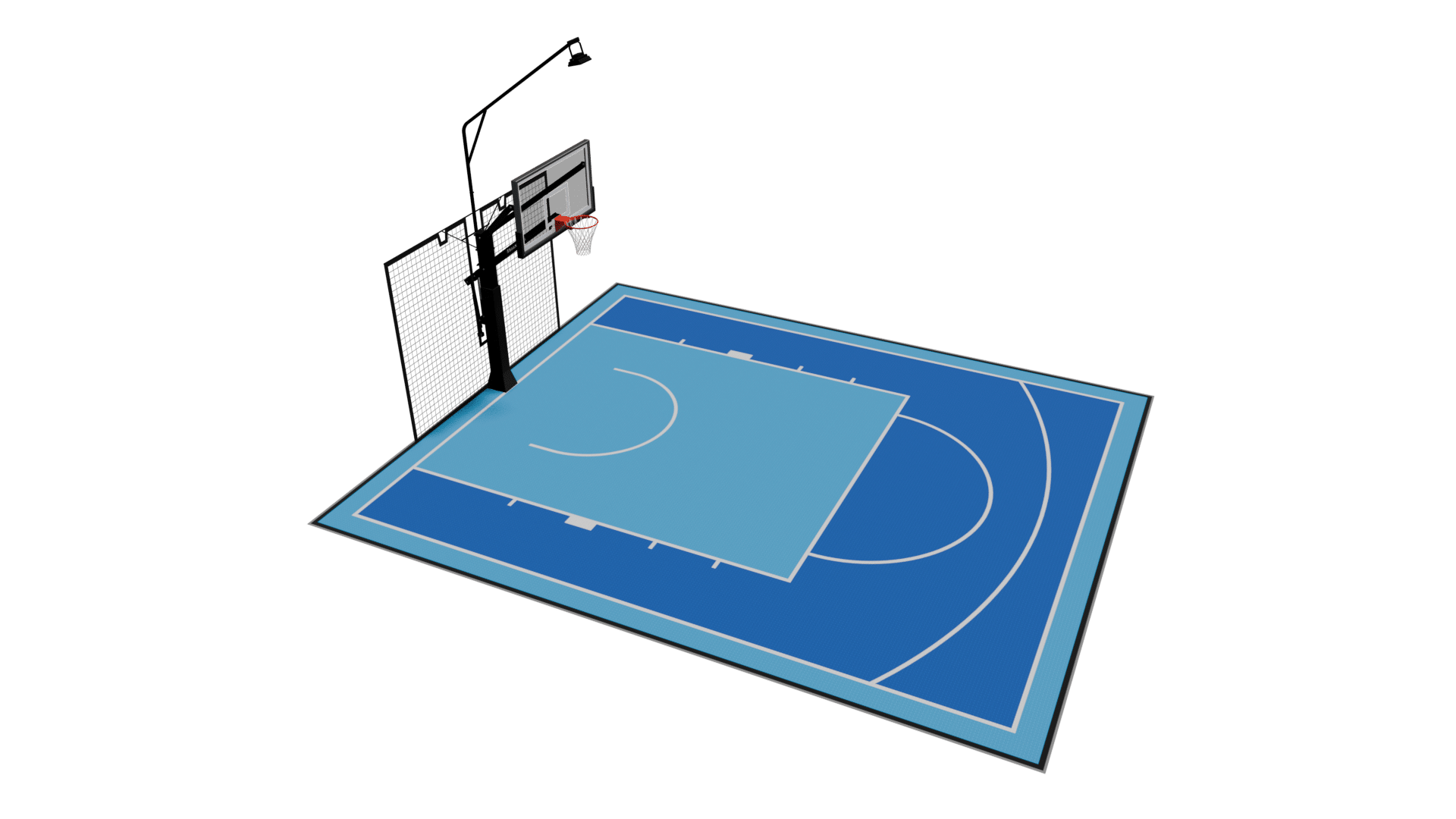
8 x 9,5 m
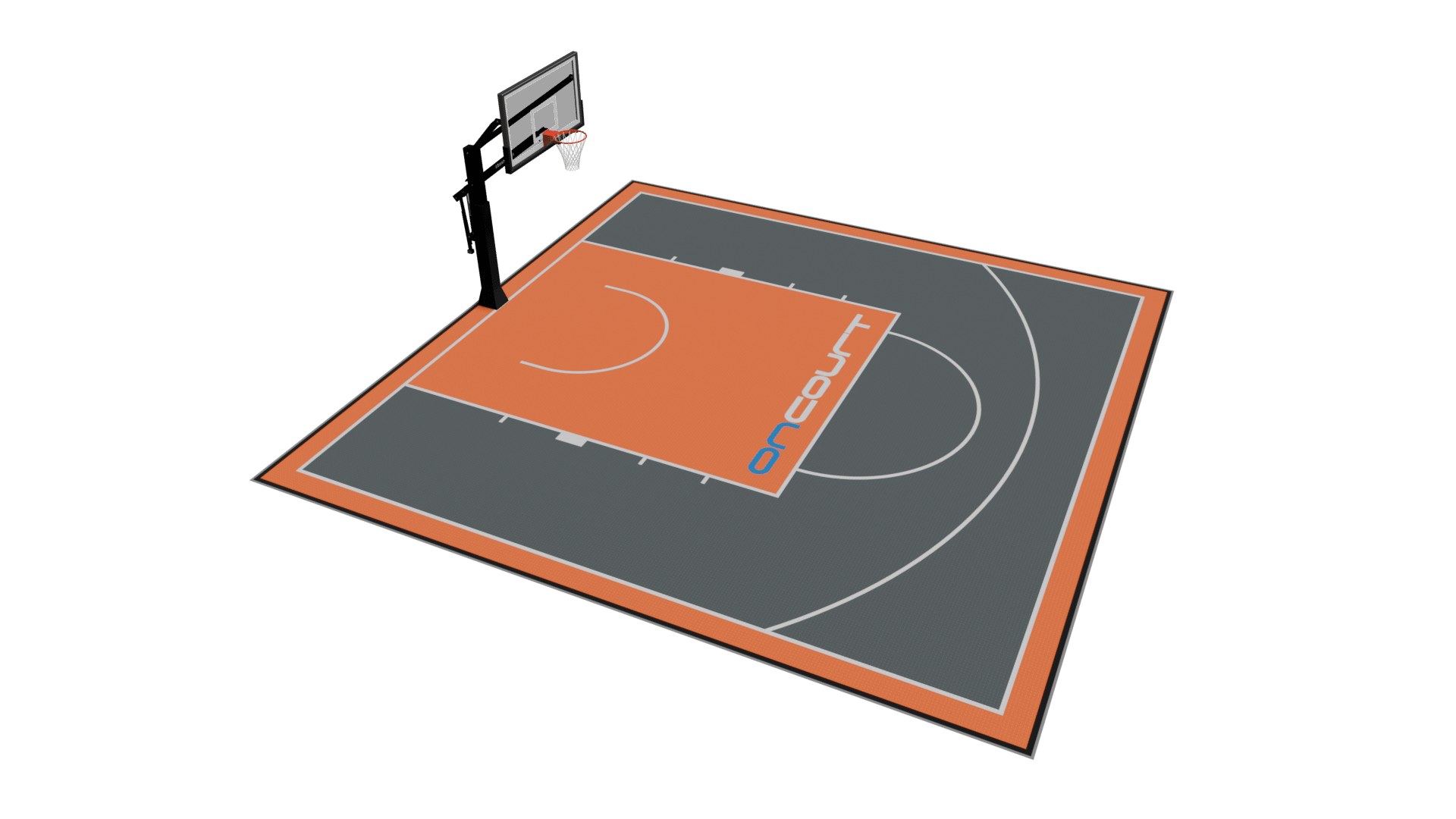
10 x 10 m
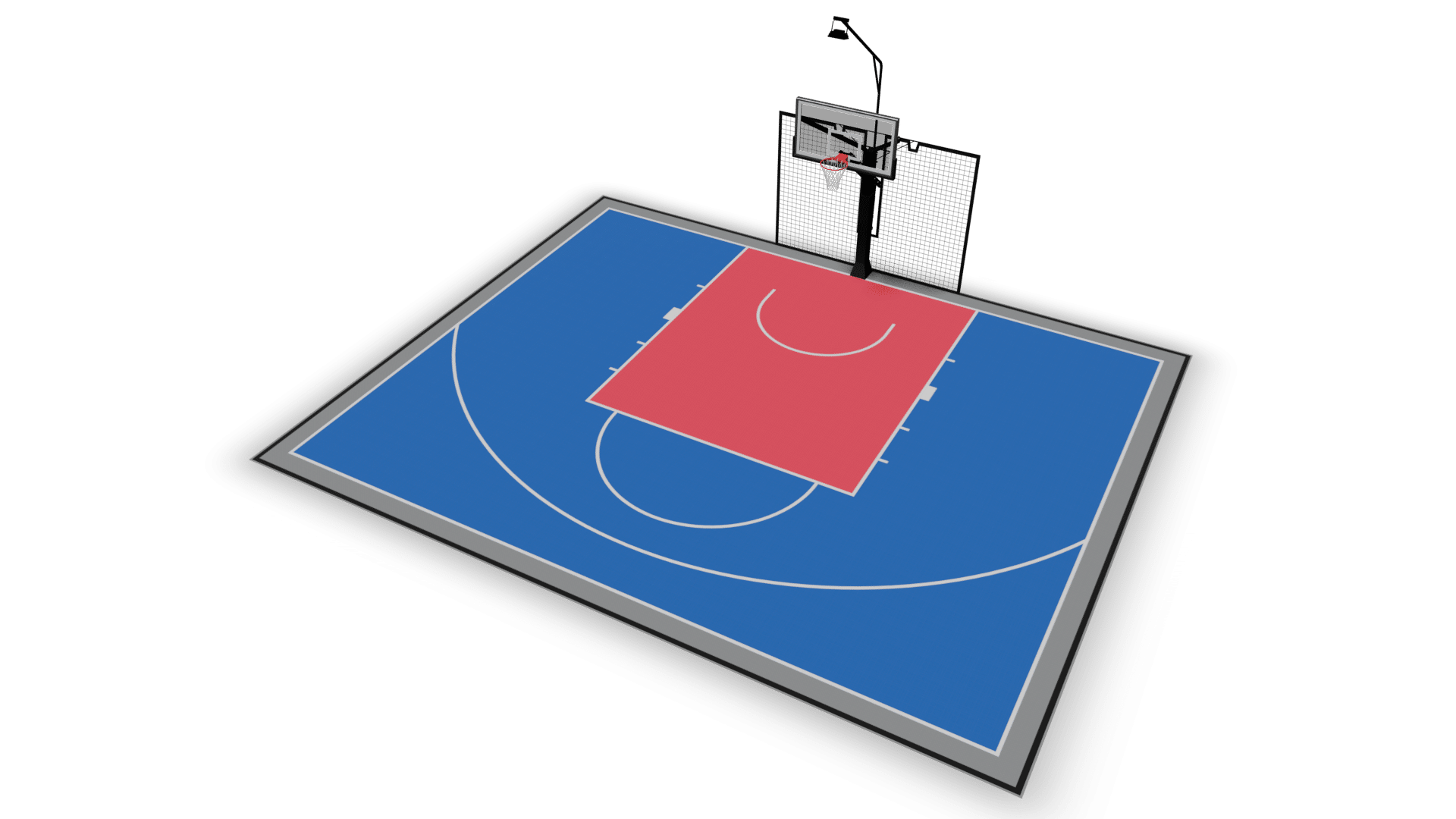
12,5 x 10 m
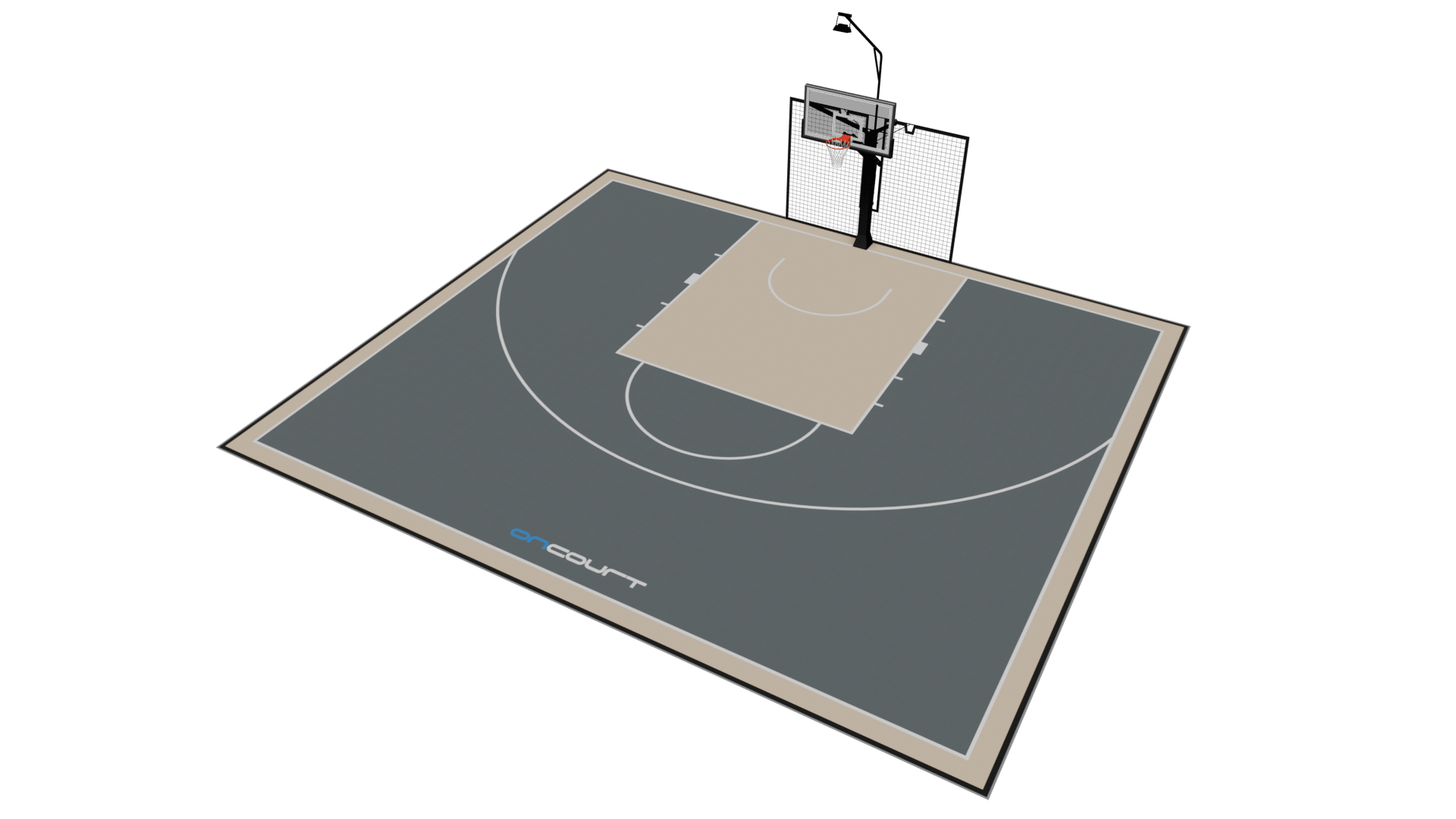
13,5 x 12 m
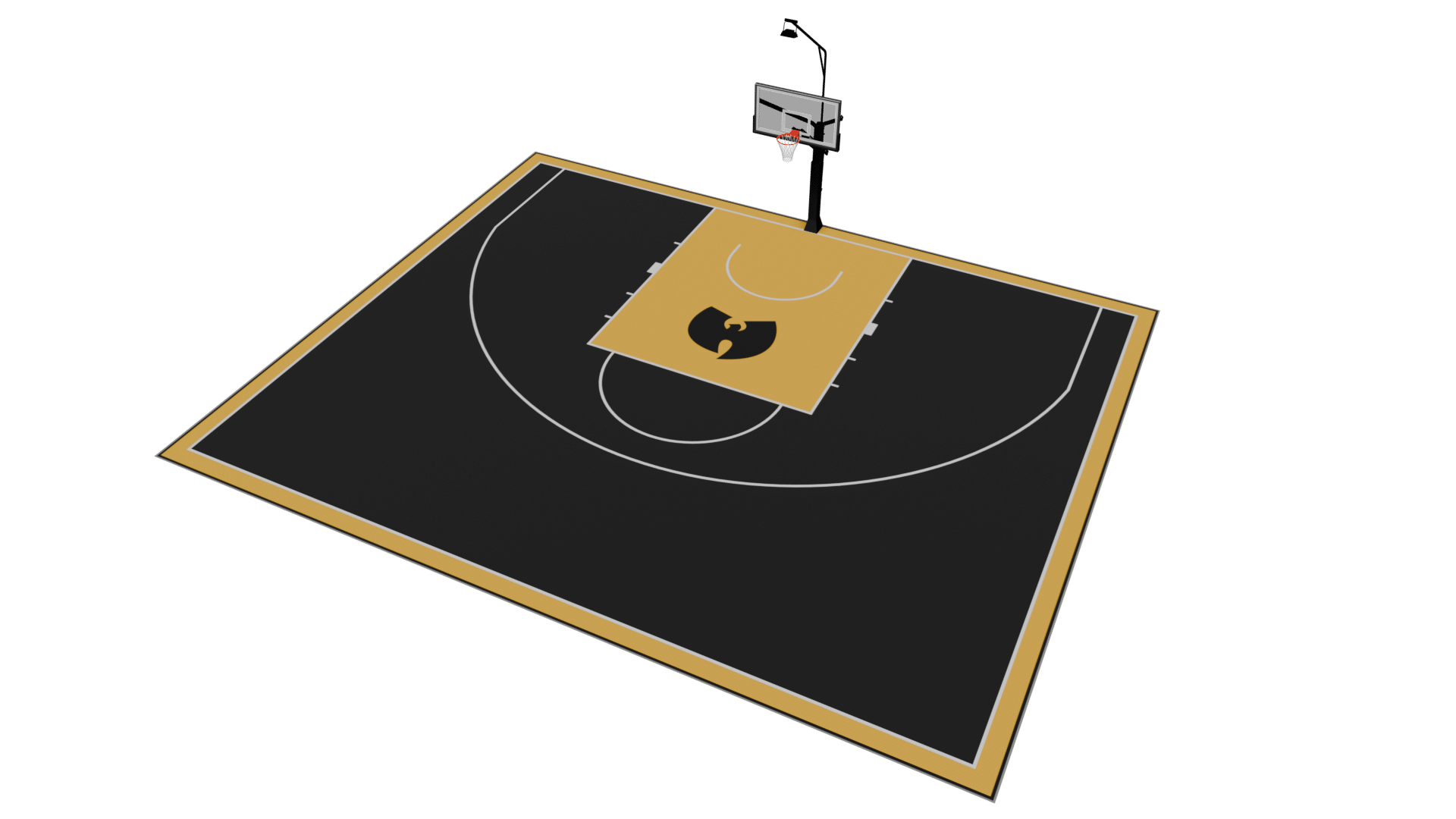
18 x 13,5 m
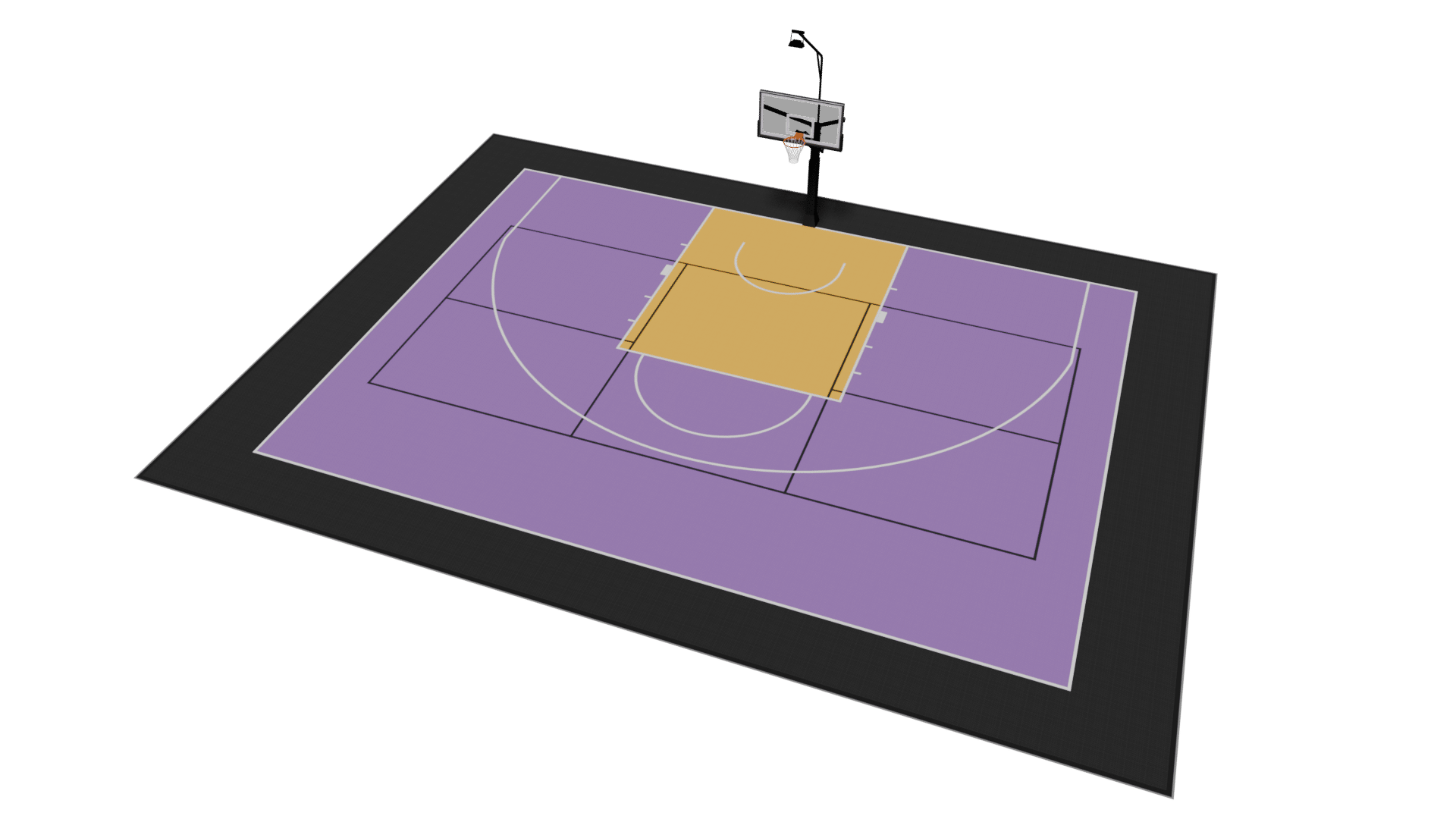
18,5 x 14,5 m
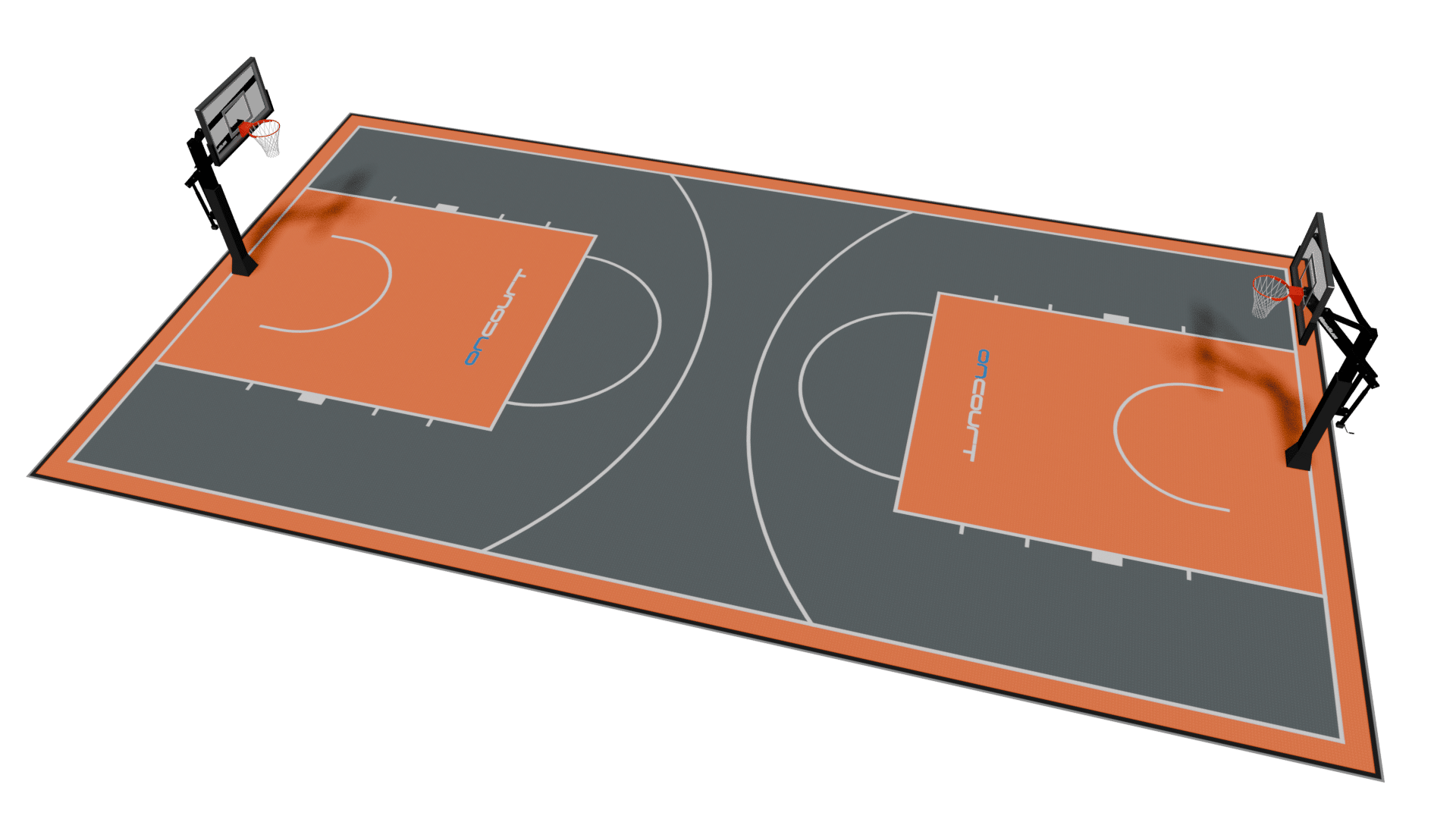
10 x 18,5 m
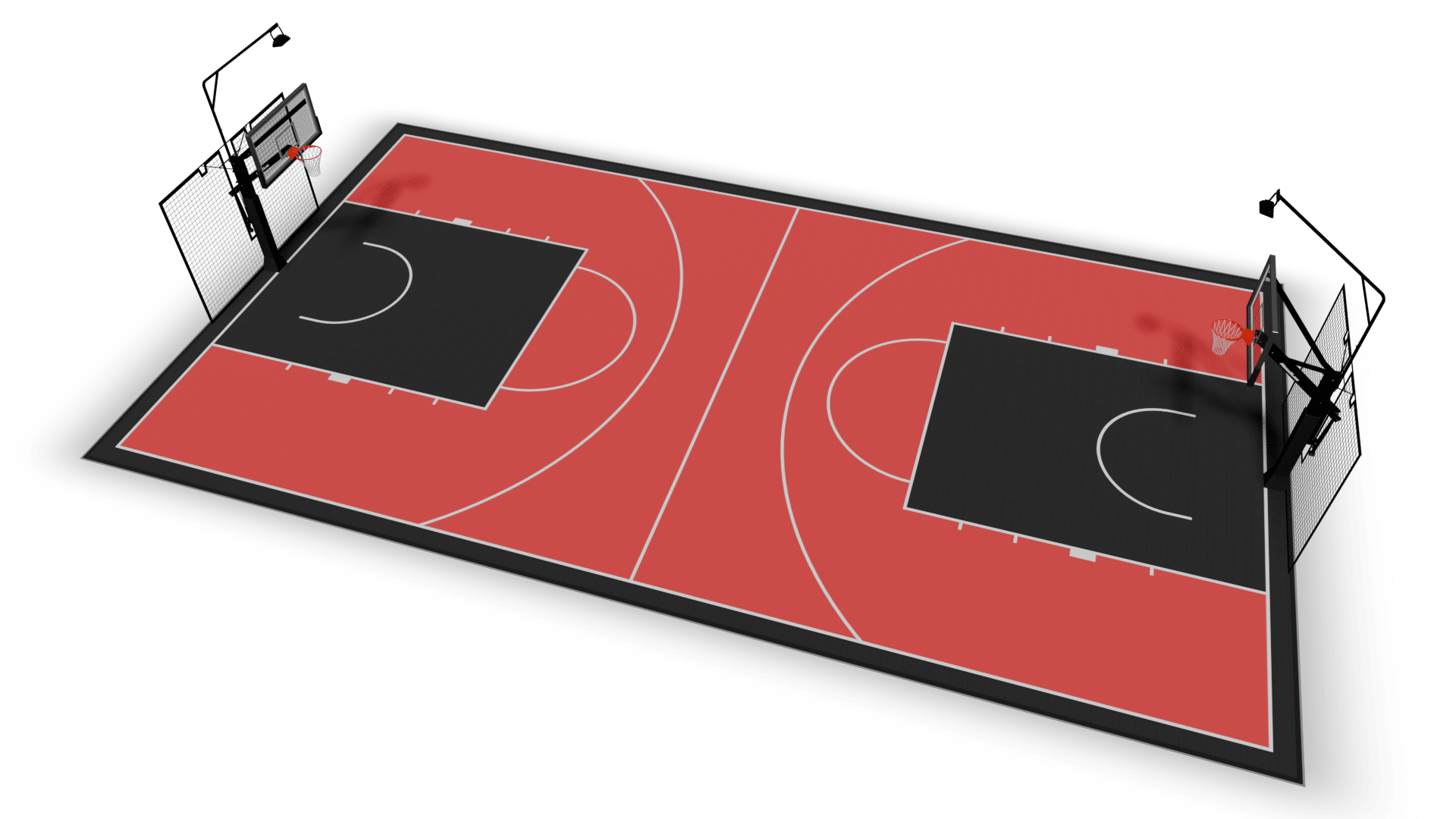
11 x 21,5 m
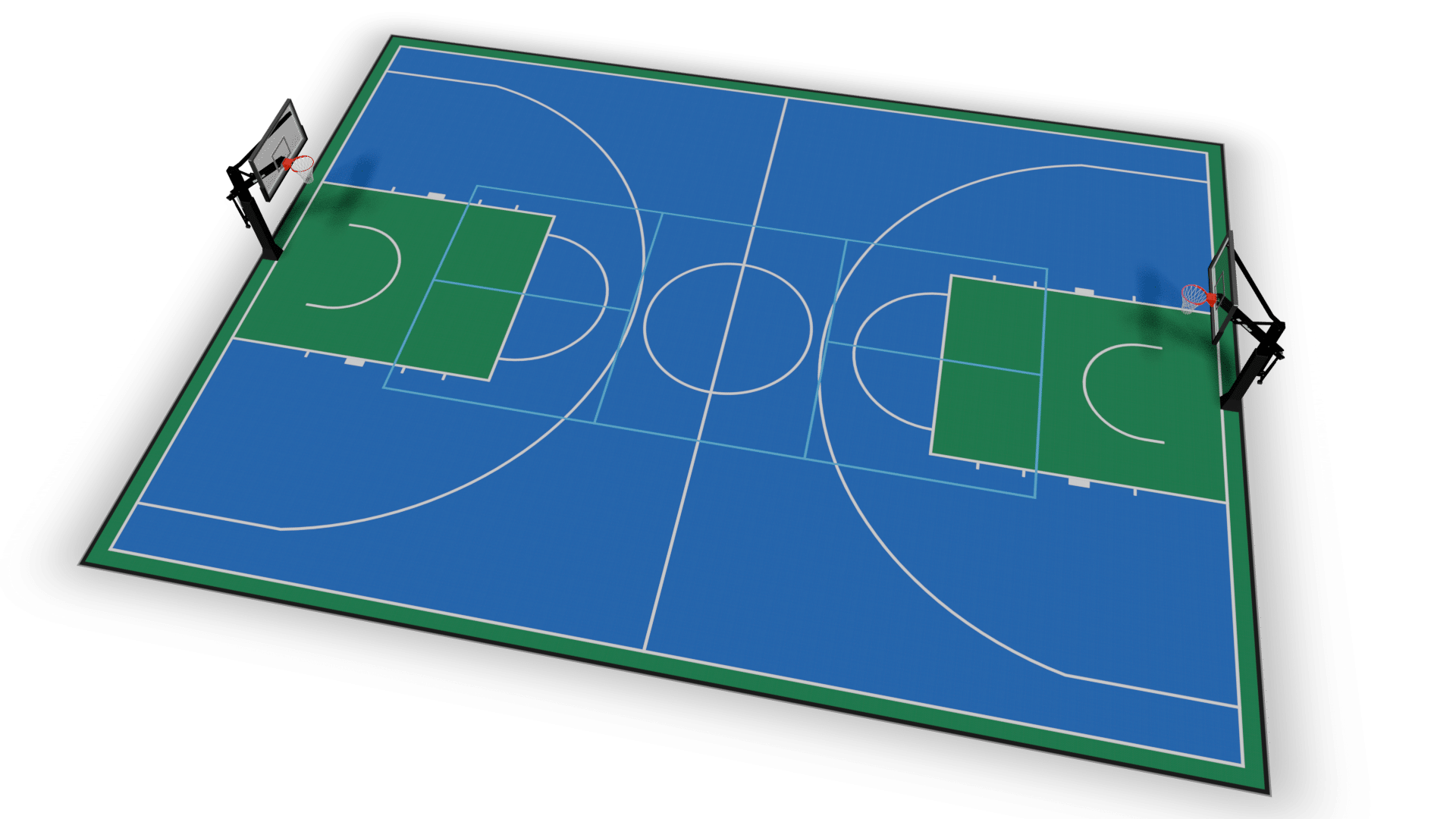
16 x 23,5 m
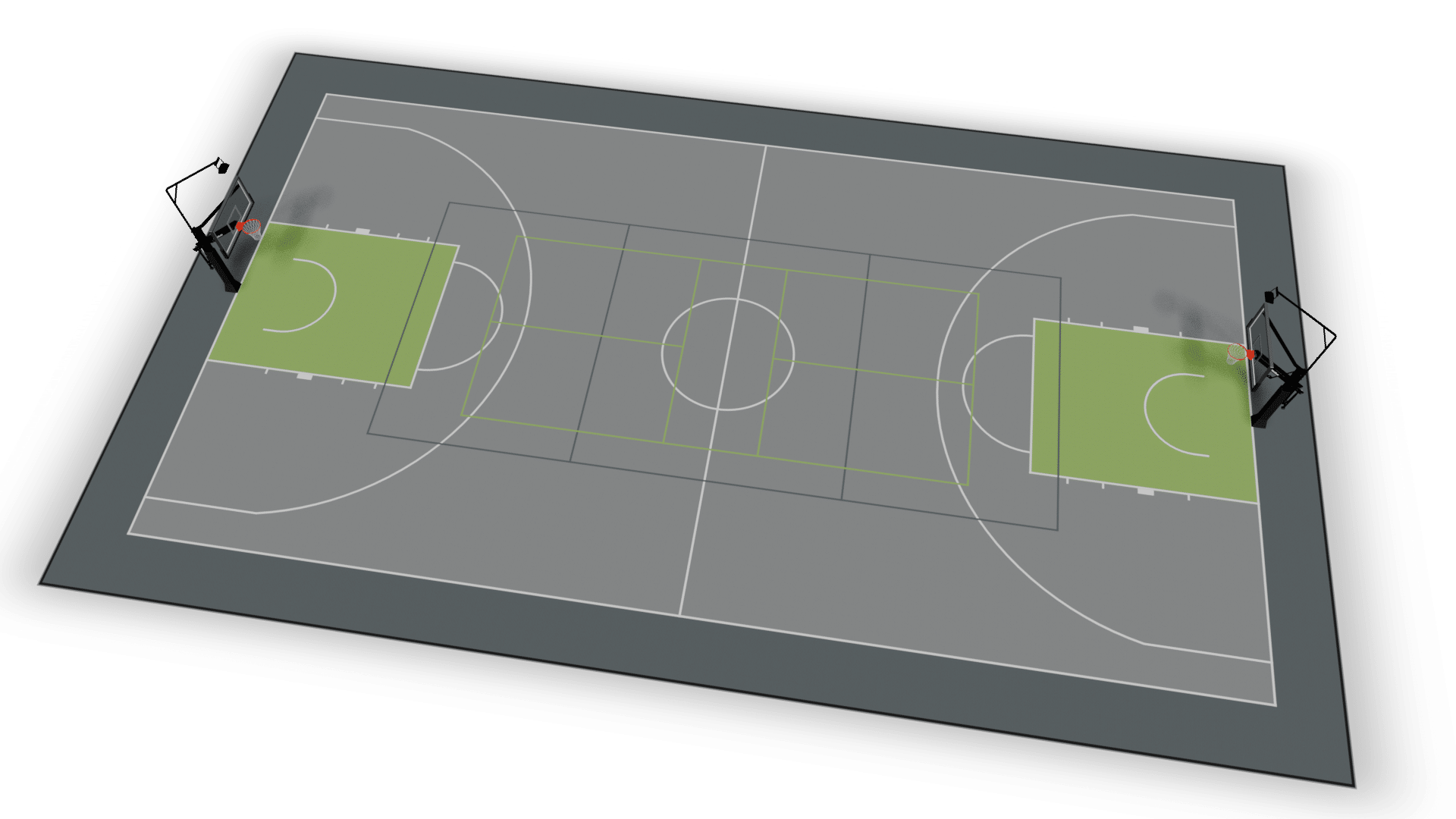

 English (UK)
  Български
  Čeština
  Dansk
Dansk  Deutsch
  Nederlands
  Español
  Eesti
Eesti  Français
  Ελληνικά
  Hrvatski
  Magyar
  Italiano
  Latviešu valoda
  Lietuvių kalba
  Norsk bokmål
  Português
  Polski
  Română
  Српски језик
  Slovenčina
  Slovenščina
  Suomi
Suomi  Svenska
  Türkçe
  العربية
  Bosanski
  Українська