Základ dlouhodobě odolného basketbalového hřiště
Basketbalové hřiště je jen tak dobré, jak dobrý je povrch pod ním. Ještě dlouho předtím, než se dlaždice spojí nebo se nainstaluje koš, rozhoduje podklad o tom, jak bude hřiště fungovat, jak dlouho vydrží a zda se problémy objeví po měsících či letech.
Tento průvodce se zaměřuje výhradně na výstavbu podkladu pro basketbalové hřiště. Nezahrnuje pokládku povrchu ani montáž koše — tyto kroky následují později. Správně provedený základ je klíčem k tomu, aby vše ostatní fungovalo správně.
Co je podklad basketbalového hřiště?
Podklad je technicky navržený základ, který podpírá hrací povrch. Jeho úkol je zdánlivě jednoduchý: zůstat rovný, stabilní a odvádět vodu. V praxi to znamená nést zatížení hráčů, odolávat pohybu podloží a zabránit poškození hřiště vlhkostí.
U basketbalových hřišť, zejména těch s modulární podlahou, musí být podklad rovnější a přesnější než u běžné terasy, příjezdové cesty nebo zahradní desky. I malé odchylky, které by jinde byly přijatelné, mohou na hřišti způsobit problémy.
Volba správného typu podkladu
Většina basketbalových hřišť je postavena buď na betonu, nebo na asfaltu, přičemž beton je ve většině případů preferovaným řešením. Poskytuje stabilní a předvídatelný základ, který zajišťuje konzistentní odraz míče a dlouhodobý výkon povrchu.
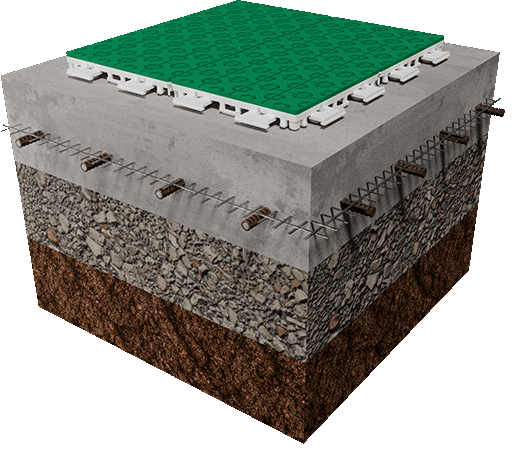
U basketbalových hřišť by měla vyztužená betonová deska obvykle splňovat následující kritéria:
- Minimální tloušťka 100–150 mm
- Výztuž z ocelové sítě nebo výztužných prutů
- Laserově vyrovnaný povrch
- Mírný spád pro venkovní odvodnění
Asfaltové podklady mohou být v určitých situacích vhodné, ale vyžadují přísnější přípravu a jsou náchylnější k dlouhodobým pohybům.
Požadavky na rovinnost a tolerance
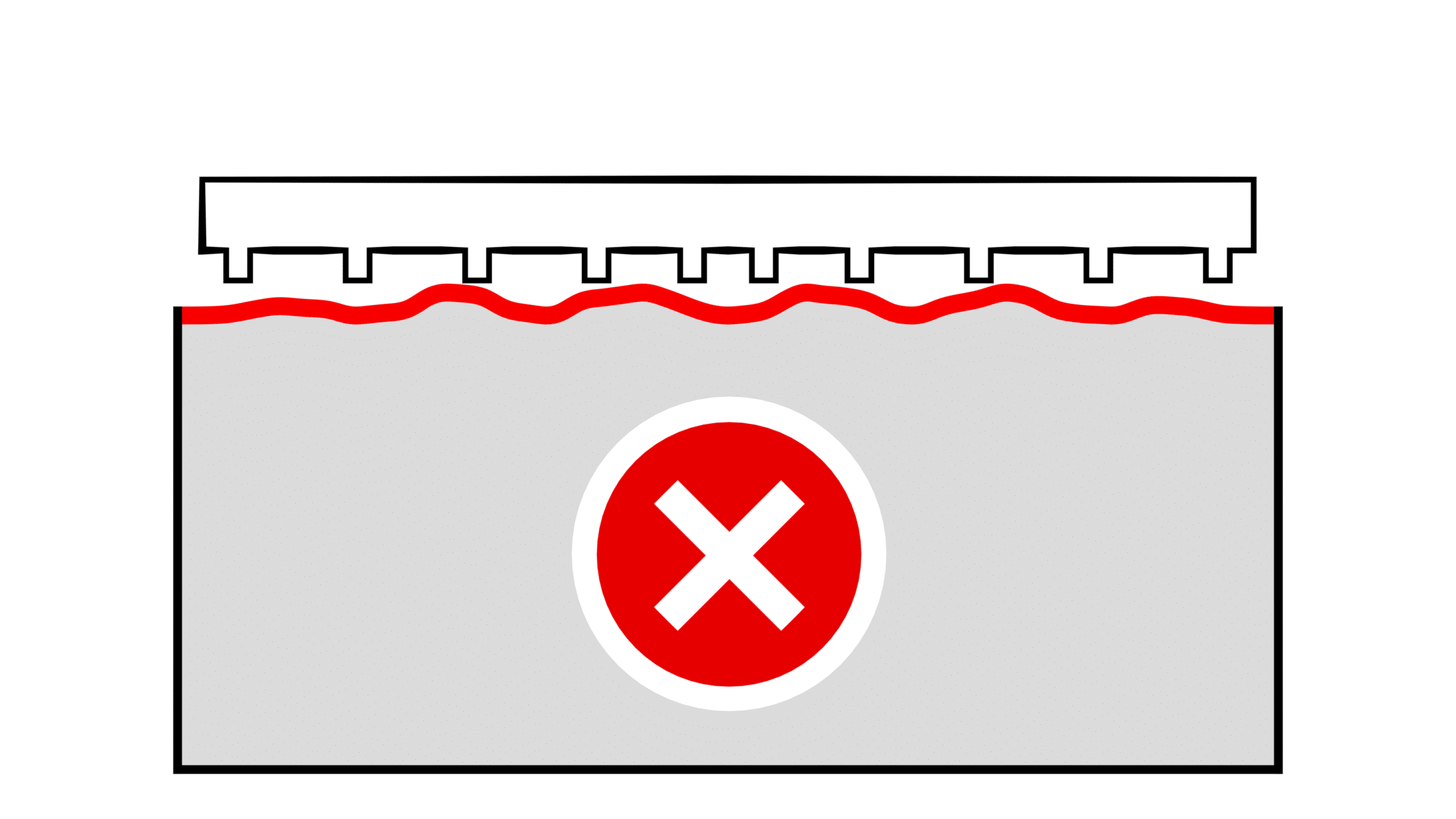
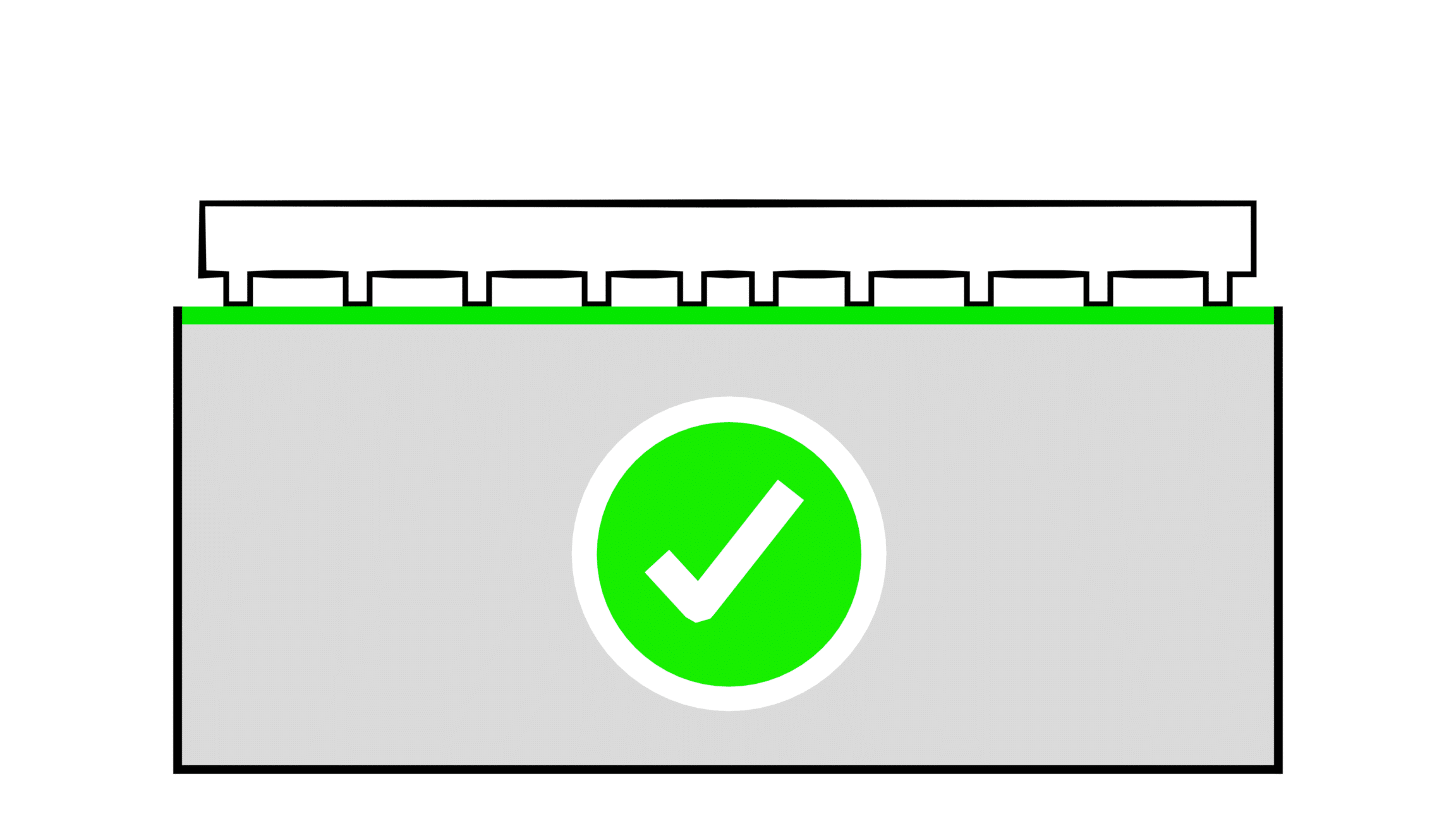
Povrch basketbalového hřiště je neúprosný vůči nerovným základům. Na rozdíl od dlažby nebo běžných zpevněných ploch hrací povrch zvýrazňuje nedokonalosti místo toho, aby je skrýval. I malé odchylky v podkladu mohou ovlivnit odraz míče, způsobit nepohodlný došlap a ztížit instalaci povrchu.
Z tohoto důvodu vyžadují basketbalová hřiště vyšší standard rovinnosti než většina venkovních desek. Cílem není vizuální dokonalost, ale konzistentní výkon po celé hrací ploše. Jako praktické vodítko by měl podklad basketbalového hřiště splňovat následující toleranční požadavky:
- Odchylka nejvýše 3–5 mm na 3 metry
- Žádné náhlé změny výšky ani hrany
- Žádná stojatá voda po dešti (pro venkovní hřiště)
Dodržení těchto tolerancí ve fázi podkladu předchází problémům, které je po instalaci povrchu obtížné nebo nemožné napravit.
Odvodnění a příprava podloží
U venkovních hřišť je odvodnění stejně důležité jako rovinnost. Voda, která nemůže odtékat, časem způsobí pohyby, praskání nebo poškození mrazem.
Správná příprava podloží obvykle zahrnuje zhutněnou vrstvu drceného kamene nebo štěrku pod deskou, doplněnou mírným spádem, který odvádí vodu mimo hrací plochu. Cílem není vytvořit viditelný sklon, ale zabránit vzniku stojaté vody na povrchu.
Ignorování odvodnění zřídka způsobí okamžité selhání — vede však k pomalým a nákladným problémům v budoucnu.
Kontrola připravenosti podkladu
Než přistoupíte k instalaci povrchu basketbalového hřiště, zastavte se a ověřte následující body. Pokud můžete s jistotou zaškrtnout každou položku, je podklad připraven.
Váš podklad by měl být:
- Konstrukčně stabilní, plně vyzrálý a bez prasklin
- Rovná v rámci tolerancí basketbalového hřiště (bez viditelných prohlubní nebo hran)
- Suchý, čistý a bez nečistot
- Správně odvodněná, bez stojaté vody po dešti
- Postavena ve správných rozměrech a orientaci pro rozvržení hřiště
Pokud je kterýkoli z těchto bodů nejistý, vyřešte jej před instalací povrchu. Oprava problémů v této fázi je jednoduchá. Později už ne.
OnCourt poskytuje technické výkresy a pokyny k tolerancím pro dodavatele, kteří budují podklady hřišť.
Běžné chyby, kterým je třeba se vyhnout
Většina problémů s podkladem vzniká spíše kvůli zkratkám než špatným úmyslům. Použití tolerancí vhodných pro terasy, vynechání výztuže, betonáž bez přesné kontroly roviny nebo uspěchání zrání betonu jsou chyby, které kompromitují hřiště ještě před jeho dokončením.
- Používání nepřesných tolerancí
- Bez výztuže
- Betonáž bez kontroly roviny
- Instalace před úplným vyzrátím
Základní princip je jednoduchý: řešení problémů s podkladem po instalaci je mnohem obtížnější než jeho správné provedení hned na začátku.
Kdy je podklad připraven?
Před zahájením instalace povrchu musí být podklad plně vyzrálý, čistý a konstrukčně stabilní. Musí splňovat požadavky na rovinnost a nevykazovat žádné praskliny, pohyb ani měkká místa.
Jakmile jsou tyto podmínky splněny, instalace povrchu hřiště a koše je přímočará.
Kdo by měl vybudovat podklad?
Zatímco mnoho povrchů basketbalových hřišť lze instalovat svépomocí, výstavbu podkladu je nejlepší svěřit zkušeným odborníkům na zemní práce. Tato fáze vyžaduje správné vybavení, znalost místních půdních podmínek a pochopení tolerančních požadavků, které přesahují běžné zahradní práce.
OnCourt poskytuje technické výkresy a specifikace, aby místní dodavatelé mohli základ postavit správně bez dohadů. Tento přístup kombinuje místní odborné znalosti s jasnými výkonnostními standardy.
FAQ k podkladu basketbalového hřiště
Podklad je zhutněná základová vrstva pod povrchem hřiště. Podporuje systém modulárních dlaždic, absorbuje zatížení, brání pohybu a zajišťuje rovnoměrný odskok míče. Bez pevného podkladu může hřiště časem pracovat, vznikat na něm „hluchá“ místa nebo se špatně odvodňovat.
Hloubka výkopu závisí na podloží, půdních podmínkách a klimatu, ale obvykle se pohybuje mezi 100 mm a 250 mm. U měkké půdy nebo v chladnějších podmínkách může být potřeba kopat hlouběji, aby se předešlo mrazovým zdvihům a sedání půdy.
Běžné složení podkladu zahrnuje:
– Kámen typu 1 MOT (drcený) pro zhutnění a odvodnění.
– Vrstva hutněného ostrého písku nebo jemná vyrovnávací vrstva.
– Volitelně geotextilie pro potlačení plevele a stabilitu.
Pro nejlepší výsledky zakončete hladkou betonovou nebo asfaltovou deskou při instalaci modulárních dlaždic. Jak je uvedeno v tomto článku, tolerance rovinnosti maximálně 5 mm v jakémkoliv 3 m okruhu zajistí skvělý výkon.
Podklad by měl být vyrovnán s tolerancí maximálně 5 mm v jakémkoli okruhu 3 m. Tato přesnost je klíčová, aby se modulární dlaždice správně zacvakly a zajistily bezpečný a jednotný herní zážitek.
Ano. Správné odvodnění je nezbytné, aby se zabránilo hromadění vody pod modulární sportovní plochou. Zvažte mírný sklon, propustné podkladní vrstvy nebo drenážní kanály pro venkovní hřiště.
Ano, pokud máte zkušenosti s výkopem a hutněním. Mnoho kutilů si podklad připraví sami, ale u větších nebo složitějších hřišť doporučujeme spolupráci s profesionálním dodavatelem.
Spolupráce s místní firmou zabývající se zemními pracemi je často nejlepší volbou. Lépe rozumí místním půdním podmínkám, zná regionální odvodňovací problémy a efektivně zajistí potřebné stroje a materiál. Odborně připravený podklad vám navíc zajistí dlouhou životnost a špičkový výkon hřiště.
Instalace zapuštěného koše Mega Slam probíhá ve dvou krocích. Nejprve se vykope 1,25 m hluboká jáma pro betonový kotvicí blok. Následně se sestavuje samotný koš. Mega Slam Hoops jsou těžké – právě to z nich dělá špičku pro domácí použití. Na montáž si přizvěte přátele. Další informace o Instalace obručí Mega Slam Hoops.
POZNÁMKA - Kotvy pro koš a příslušenství musí být instalovány během výstavby podkladu. Nakonfigurujte a objednejte hřiště, koš a komponenty včas, aby byly kotvy připravené při stavbě podkladu.
Další kroky
Po dokončení podkladu můžete přejít od zemních prací k montáži hřiště.

 English (UK)
  Български
  Čeština
  Dansk
Dansk  Deutsch
  Nederlands
  Español
  Eesti
Eesti  Français
  Ελληνικά
  Hrvatski
  Magyar
  Italiano
  Latviešu valoda
  Lietuvių kalba
  Norsk bokmål
  Português
  Polski
  Română
  Српски језик
  Slovenčina
  Slovenščina
  Suomi
Suomi  Svenska
  Türkçe
  العربية
  Bosanski
  Українська