

Los cimientos de una pista de baloncesto duradera
Una pista de baloncesto es tan buena como la superficie que tiene debajo. Mucho antes de que se enganchen las losetas o se instale la canasta, la sub-base determina el rendimiento de la pista, su vida útil y si los problemas aparecen meses o años más tarde.
Esta guía se centra específicamente en la construcción de la sub-base para una pista de baloncesto. No cubre la instalación de la superficie ni el montaje de la canasta; esos pasos llegan después. Conseguir unos cimientos correctos es lo que permite que todo lo demás funcione bien.
¿Qué es la sub-base de una pista de baloncesto?
La sub-base es la cimentación técnica que soporta la superficie de juego. Su función es engañosamente sencilla: mantenerse plana, estable y gestionar el agua. En la práctica, esto significa absorber las cargas de los jugadores, resistir los movimientos del terreno e impedir que la humedad dañe la pista.
Para pistas de baloncesto, especialmente las que utilizan pavimento modular, la sub-base debe ser más plana y precisa que una terraza, un acceso de vehículos o una solera de jardín convencional. Pequeñas desviaciones que serían aceptables en otros contextos pueden causar problemas en una pista.
Elegir el tipo de sub-base adecuado
La mayoría de las pistas de baloncesto se construyen sobre hormigón o asfalto, siendo el hormigón la solución preferida en la gran mayoría de las instalaciones. Ofrece una base estable y predecible que garantiza un bote de balón consistente y un rendimiento duradero de la superficie.
Las bases de asfalto pueden ser adecuadas en determinadas situaciones, pero exigen una preparación más rigurosa y son más propensas a movimientos a largo plazo.
Requisitos de planitud y tolerancias
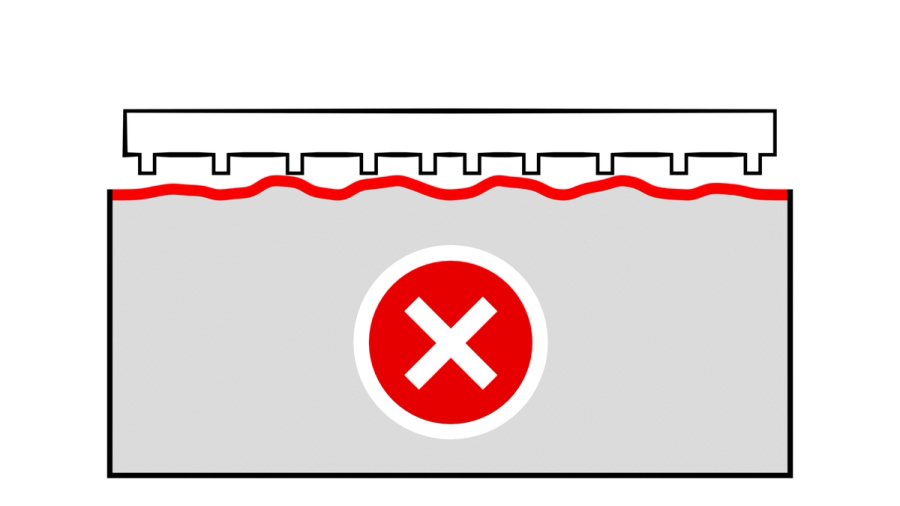
Una superficie de pista de baloncesto no perdona cuando la cimentación es irregular. A diferencia del pavimento general o de trabajos de jardinería, la superficie de juego amplifica las imperfecciones en lugar de ocultarlas. Incluso desviaciones leves en la sub-base pueden afectar al bote del balón, generar incomodidad al pisar y dificultar la instalación de la superficie.
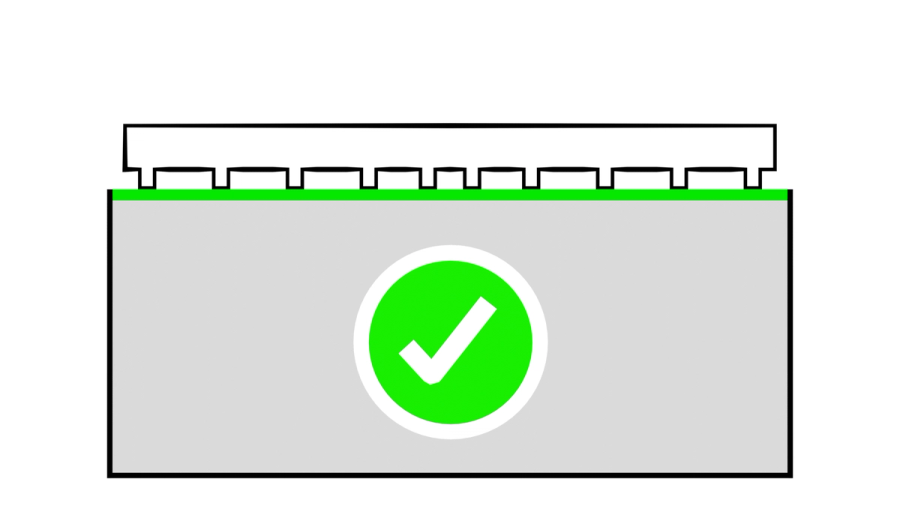
Por este motivo, las pistas de baloncesto exigen un estándar de planitud superior al de la mayoría de las soleras exteriores. El objetivo no es la perfección visual, sino un rendimiento uniforme en toda la zona de juego. Como referencia práctica, la sub-base de una pista de baloncesto debe cumplir las siguientes tolerancias:
- No más de 3–5 mm de desviación en 3 metros
- Sin cambios de nivel bruscos ni resaltes
- Sin encharcamiento tras la lluvia (en pistas exteriores)
Cumplir estas tolerancias en la fase de sub-base evita problemas que son difíciles o imposibles de corregir una vez instalada la superficie de la pista.
Drenaje y preparación del terreno
En pistas exteriores, el drenaje es tan importante como la planitud. El agua que no puede escapar acabará provocando movimientos, grietas o daños por heladas.
Una buena preparación del terreno incluye habitualmente una capa de piedra compactada o zahorra bajo la solera, combinada con una pendiente suave para conducir el agua fuera de la zona de la pista. El objetivo no es crear una inclinación visible, sino evitar que se formen encharcamientos en cualquier punto de la superficie.
Descuidar el drenaje rara vez provoca un fallo inmediato; genera problemas lentos y costosos más adelante.
Comprobación de la sub-base antes de continuar
Antes de pasar a instalar la superficie de su pista de baloncesto, deténgase y confirme lo siguiente. Si puede marcar cada punto con seguridad, su sub-base está lista.
La sub-base debe estar:
- Estructuralmente sólida, completamente curada y libre de grietas
- Plana dentro de las tolerancias de una pista de baloncesto (sin desniveles ni resaltes visibles)
- Seca, limpia y despejada de residuos
- Con drenaje correcto, sin encharcamiento tras la lluvia
- Construida con las dimensiones y orientación correctas para el diseño de su pista
Si alguno de estos puntos genera dudas, resuélvalos antes de instalar la superficie. Corregir problemas en esta fase es sencillo. Corregirlos después no lo es.
OnCourt proporciona planos técnicos y guías de tolerancias para los contratistas que construyen sub-bases de pistas.
Errores habituales que conviene evitar
La mayoría de los problemas de sub-base tienen su origen en atajos, no en malas intenciones. Aplicar tolerancias propias de terrazas, omitir el refuerzo, verter hormigón sin un control preciso de la nivelación o precipitar el proceso de curado son errores que comprometen la pista antes incluso de construirla.
- Usar tolerancias insuficientes
- No incorporar refuerzo
- Verter sin control de nivelación
- Instalar antes del curado completo
El principio fundamental es claro: solucionar problemas de sub-base tras la instalación es mucho más difícil que construirla correctamente desde el principio.
¿Cuándo está lista la sub-base?
Antes de pasar a la instalación de la superficie, la sub-base debe estar completamente curada, limpia y estructuralmente sólida. Debe cumplir las tolerancias de planitud y no mostrar signos de grietas, movimiento ni puntos blandos.
Una vez cumplidas estas condiciones, la instalación de la superficie de la pista y la canasta resulta sencilla.
¿Quién debe construir la sub-base?
Aunque la superficie de muchas pistas de baloncesto puede instalarse de forma autónoma, la construcción de la sub-base es preferible dejarla en manos de profesionales de movimientos de tierras con experiencia. Esta fase requiere el equipo adecuado, conocimiento de las condiciones del terreno local y una comprensión de los requisitos de tolerancia que van más allá del trabajo general de jardinería y paisajismo.
OnCourt proporciona planos técnicos y especificaciones para que los contratistas locales puedan construir la base correctamente sin tener que adivinar nada. Este enfoque combina la experiencia local con unos estándares de rendimiento claros.
Preguntas frecuentes sobre la sub-base de pistas de baloncesto
La sub-base es la capa de cimentación compactada situada bajo la superficie de la pista. Soporta el sistema de losetas modulares, absorbe las cargas, evita los movimientos y garantiza un bote de balón uniforme. Sin una sub-base sólida, la pista puede desplazarse, presentar zonas muertas o drenar mal con el tiempo.
La profundidad de excavación depende del sustrato, las condiciones del terreno y el clima, pero oscila habitualmente entre 100 mm y 250 mm. En suelos blandos o climas más fríos, puede ser necesario profundizar más para evitar el levantamiento por heladas y la subsidencia.
Una composición habitual de sub-base incluye: – Zahorra tipo 1 (piedra machacada) para compactación y drenaje – Una capa de arena gruesa compactada o una fina capa de nivelación – Opcionalmente, geotextil para control de malas hierbas y estabilidad. Para obtener los mejores resultados, termine con una solera lisa de hormigón o asfalto al instalar sistemas de losetas modulares. Como se explica en este artículo, una tolerancia de planitud no superior a 5 mm en cualquier radio de 3 m garantizará un rendimiento excelente.
La sub-base debe estar nivelada con una tolerancia de 5 mm en cualquier radio de 3 m. Esta tolerancia es fundamental para garantizar que las losetas modulares encajen de forma segura y ofrezcan una experiencia de juego segura y uniforme.
Sí. Un drenaje adecuado es esencial para evitar la acumulación de agua bajo la superficie modular de la pista. Incorpore una pendiente suave, capas de base permeables o sumideros lineales según las necesidades de las pistas exteriores.
Sí, si tiene experiencia en excavación y compactación. Muchos usuarios realizan su propia sub-base, pero para pistas de mayor tamaño o mayor complejidad, recomendamos trabajar con un contratista profesional.
Para la mayoría de las instalaciones es aconsejable contar con un contratista local de movimientos de tierras. Puede evaluar las condiciones del suelo local, entender los requisitos de drenaje y disponer de la maquinaria adecuada para una nivelación precisa. Una sub-base preparada de forma profesional reduce la probabilidad de que aparezcan problemas más adelante.
La instalación de la canasta empotrada MegaSlam consta de dos fases. Se excava un foso de 1,25 m de profundidad para un anclaje de hormigón. A continuación, la canasta se monta y se fija al anclaje. Las canastas MegaSlam son pesadas por diseño — cuente con al menos dos personas durante la instalación. Más información sobre la instalación de la canasta MegaSlam.
NOTA – Los anclajes del sistema de canasta y sus componentes deben instalarse durante la construcción de la sub-base. Configure y solicite su pista, canasta y componentes con antelación para garantizar que los anclajes estén disponibles durante la ejecución de la sub-base.